EN
EN






Technical Hotline
24/7 expert support ensures quick solutions for your electronics needs
2026/08/10
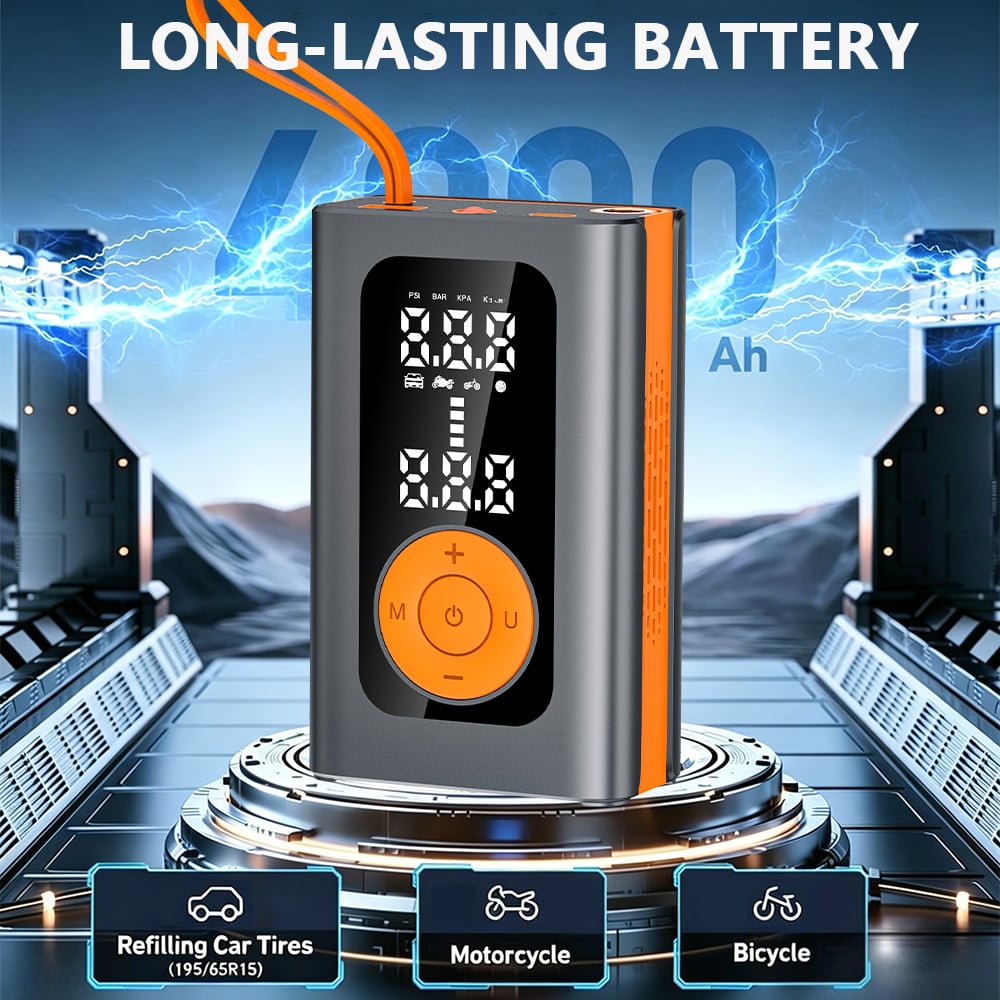
Battery efficiency stands as a critical factor when evaluating portable electric air pump wholesale options. For distributors and bulk buyers, understanding how battery performance affects product lifecycle cost, customer satisfaction, and market competitiveness can mean the difference between profitable operations and costly returns. Battery efficiency determines runtime, charging speed, and long-term reliability, making it essential knowledge before committing to large-volume purchases.
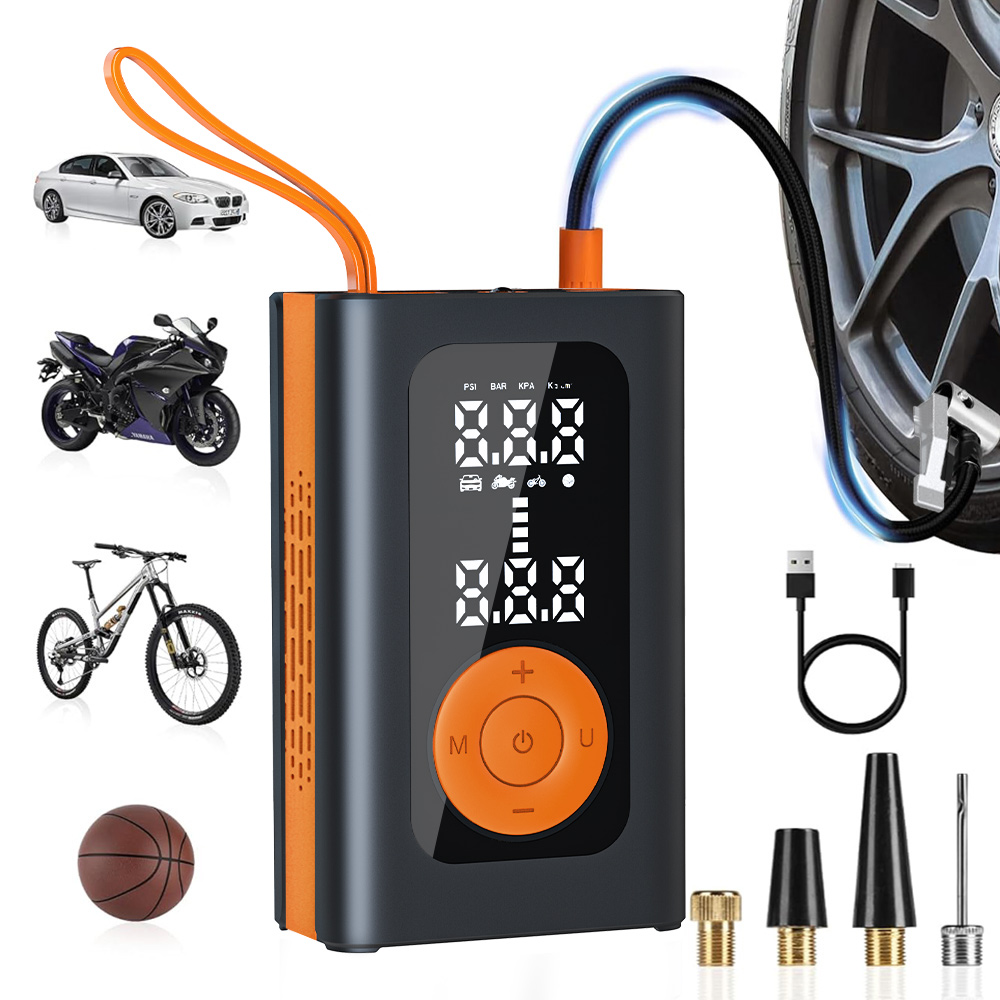
When sourcing equipment in volume, battery efficiency becomes a financial lever that affects both your profit margins and customer retention. Inefficient batteries waste energy, reduce operational hours, increase charging frequency, and deteriorate faster under stress. This translates directly into higher replacement rates, warranty claims, and damaged brand reputation. Understanding battery specifications and performance ratings helps wholesale buyers select products that deliver consistent value and minimize post-sale support costs.
Battery efficiency fundamentally determines how much energy a portable electric air pump converts into useful work versus wasted heat. Higher efficiency means more pressure output per watt-hour of battery capacity, enabling longer runtime and fewer charging cycles. For fleet operators or rental businesses buying in bulk, this efficiency advantage compounds across hundreds of units, reducing total electricity costs and operational friction. A rechargeable air compressor with poor energy conversion requires frequent recharging, limiting its utility in field work and creating customer frustration.
The relationship between battery capacity and runtime varies dramatically based on motor design, pump mechanism, and power regulation. When comparing rechargeable air compressor bulk pricing, buyers who ignore efficiency metrics often discover their lowest-cost option becomes the most expensive long-term investment. Units with optimized power delivery maintain consistent pressure output while minimizing standby drain, protecting your wholesale inventory from dead-battery complaints and repeat orders driven by equipment failure rather than genuine demand.
Inefficient electrical systems generate excess heat during operation, accelerating battery degradation and reducing cycle lifespan. A battery subjected to inefficient power conversion fails sooner, triggering warranty obligations that erode your profit margins. When evaluating tire inflator pump specifications comparison data, examine not just initial capacity but also cycle-count ratings and temperature stability metrics. Thermal management directly correlates with warranty claims, and wholesale buyers absorbing those costs face significant financial exposure across large deployments.
Battery chemistry deteriorates faster under inefficient operating conditions, particularly in high-demand scenarios where the pump runs continuously. Lithium-ion cells experience reduced cycle life when forced to deliver power through poorly designed circuits that waste energy as heat. This hidden cost becomes visible only after warranty expiration, leaving end customers dissatisfied and reluctant to repurchase from your brand. Specification-driven procurement that prioritizes efficiency protects your reputation and reduces the long-term burden of support requests.
An efficient portable electric air pump maintains output pressure throughout the battery discharge cycle, delivering consistent tire inflation across an entire work shift. Inefficient designs experience voltage sag and performance degradation as the battery depletes, frustrating users who cannot complete tasks without multiple recharge breaks. When buying electric air pump for sale in bulk, distributors must ensure products deliver predictable runtime, not theoretical maximums that degrade under real field conditions. This consistency directly impacts customer retention and repeat wholesale orders for replacement units driven by actual performance satisfaction rather than premature failure.
Motor efficiency determines how quickly the pump builds pressure and how smoothly it operates under varying load conditions. A well-designed rechargeable air compressor with optimized energy conversion reaches target pressures faster, reducing battery drain per inflated tire. This performance advantage becomes tangible when bulk buyers evaluate fleet productivity, emergency response times, or rental business revenue per unit. The efficiency differential between competing products often justifies a modest price premium because it translates into measurable end-user productivity gains.
Battery efficiency extends beyond runtime into charging characteristics. Batteries with lower internal resistance charge faster and accept rapid charging protocols without damage, minimizing downtime between uses. In fleet environments where trucks or equipment must be ready for dispatch throughout the day, rapid recharge capability directly affects operational capacity. Tire inflator pump specifications comparison should include charge time metrics, because a product that charges in 90 minutes offers substantially different value than one requiring four hours, particularly in high-utilization scenarios typical of wholesale customers.
Inefficient charging circuits waste energy as heat, extending recharge duration and reducing battery lifespan prematurely. This thermal stress compounds across bulk deployments, creating a distributed maintenance burden across customer operations. Wholesale buyers who select products with advanced power management systems reduce these hidden costs and improve customer satisfaction through faster equipment availability and fewer service interruptions.
When evaluating portable electric air pump wholesale opportunities, battery efficiency directly influences your competitive positioning and pricing power. Products offering superior runtime and reliability command premium prices and generate stronger customer loyalty, protecting your margins and reducing churn. Distributors who understand efficiency metrics can confidently communicate value to end customers, differentiating their offerings from cheaper alternatives that disappoint in real-world use. This positioning builds long-term customer relationships and generates referral-driven growth that reduces acquisition costs.
Efficiency also enables better inventory planning and customer segmentation. High-efficiency models attract professional users and fleet operators seeking reliability, while budget-conscious segments may accept lower efficiency in exchange for lower cost. This market stratification allows wholesale buyers to serve multiple customer tiers profitably without cannibalizing higher-margin business with aggressive discounting of premium products.
Energy efficiency increasingly drives procurement decisions in regulated industries, where customers must document environmental compliance and operational sustainability. Governments worldwide implement efficiency standards for portable power tools, creating compliance risk for distributors selling low-efficiency products. By prioritizing efficient equipment in your rechargeable air compressor bulk pricing strategy, you future-proof your inventory against regulatory changes and appeal to environmentally conscious customers. This forward-looking approach builds brand credibility and reduces exposure to product obsolescence driven by tightening efficiency requirements.
Wholesale buyers purchase in volume, so efficiency gains compound across hundreds or thousands of units. A 10% efficiency improvement might seem modest for one pump but translates into substantial cost reductions, reduced warranty claims, and improved customer satisfaction across large deployments. Distributors absorb the financial consequences of poor efficiency through support costs and reputation damage, making efficiency evaluation essential to sustainable profitability in wholesale operations.
Examine tire inflator pump specifications comparison documentation for motor efficiency ratings, charge time, runtime under standard loads, and cycle-life projections. Request thermal performance data and real-world runtime testing results, because theoretical specifications often differ from field performance. Compare energy consumption per pressure unit and charge acceptance rates to identify which portable electric air pump wholesale options deliver the best total cost of ownership over typical customer usage patterns.
Yes, efficiency improvements typically justify modest price premiums through reduced operating costs, fewer warranty claims, and stronger customer retention. A rechargeable air compressor with 15% better efficiency costs less to operate and fails less frequently, delivering measurable financial benefits to end users. This efficiency advantage allows wholesale distributors to charge premium pricing while maintaining competitive advantages against cheaper alternatives, generating superior profit margins and customer lifetime value.
2026/08/17
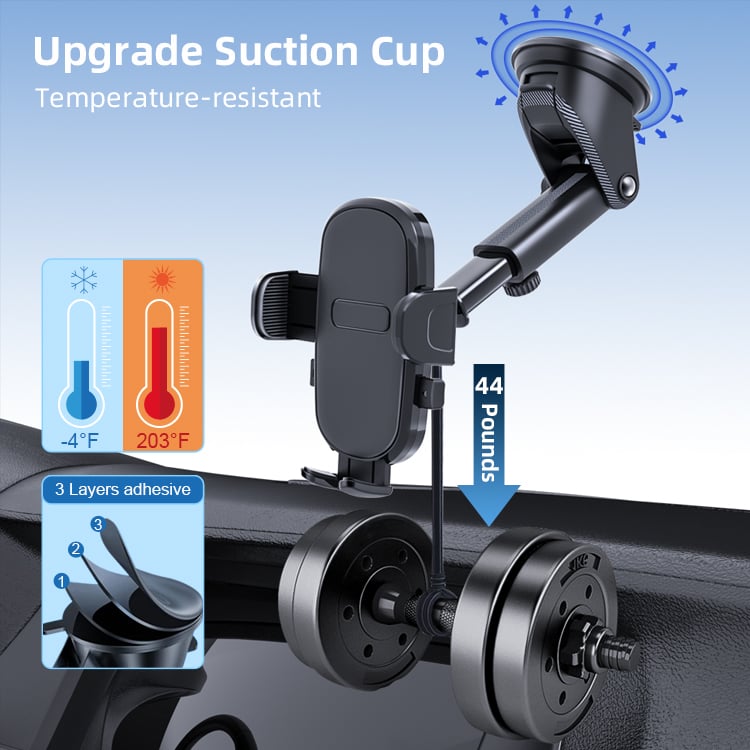
How do top car phone holder wholesale suppliers thrive amid shifting demand, tech shifts & supply chain volatility? Agile responses boost margins.
2026/08/17
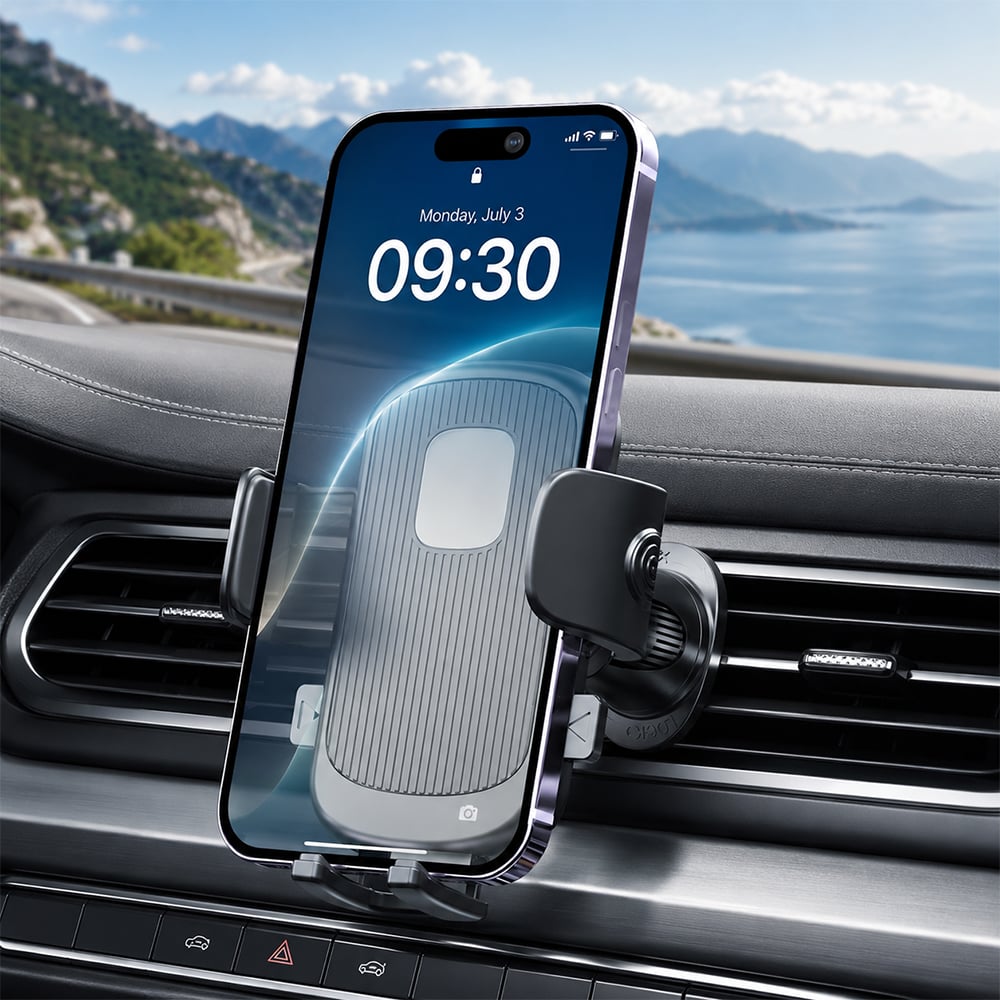
Struggling to expand automotive accessories without bloating inventory? Car phone holder wholesale boosts margins, meets demand & simplifies supply chains.
2026/08/03
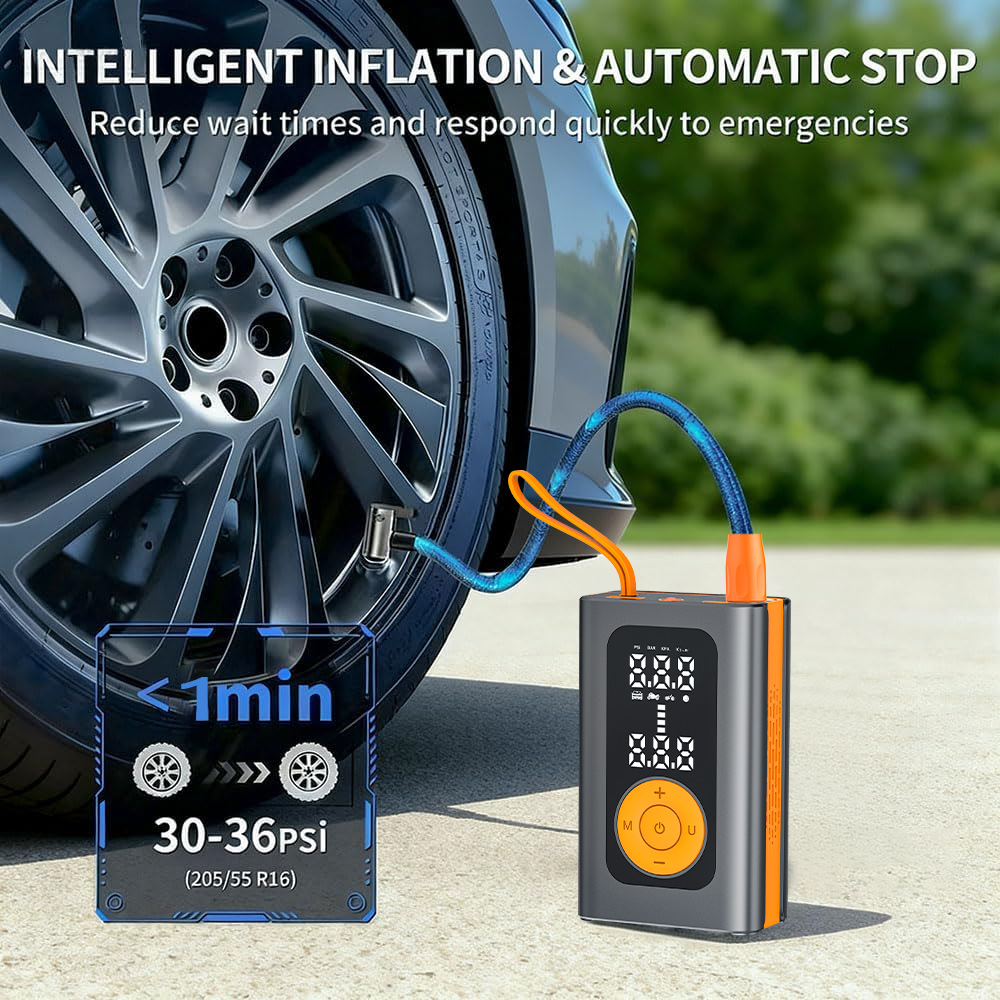
Bulk sourcing cordless tire inflators? Discover 7 key features—brushless motors to USB-C charging—that boost ROI, durability & uptime.
2026/08/04
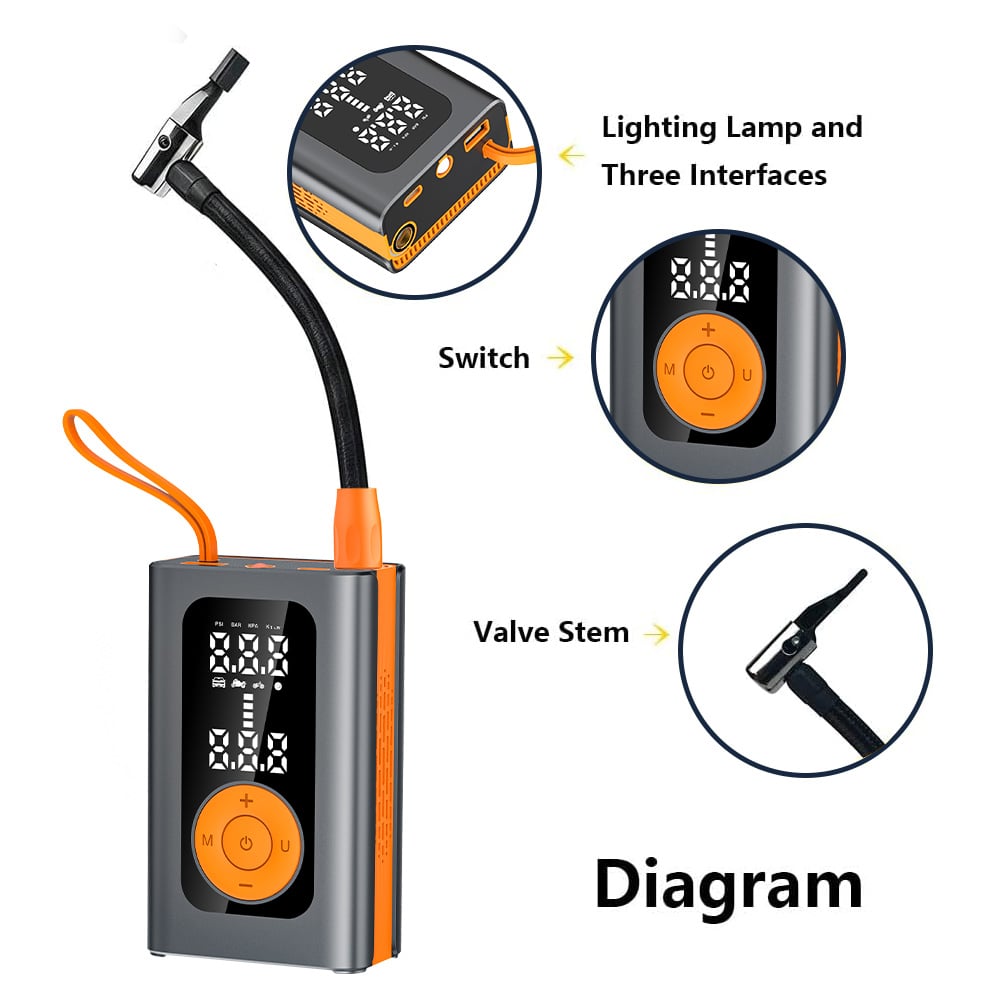
Struggling with product failures and warranty claims? Discover how top tire inflator suppliers boost reliability, cut costs, and win trust.
2026/08/05
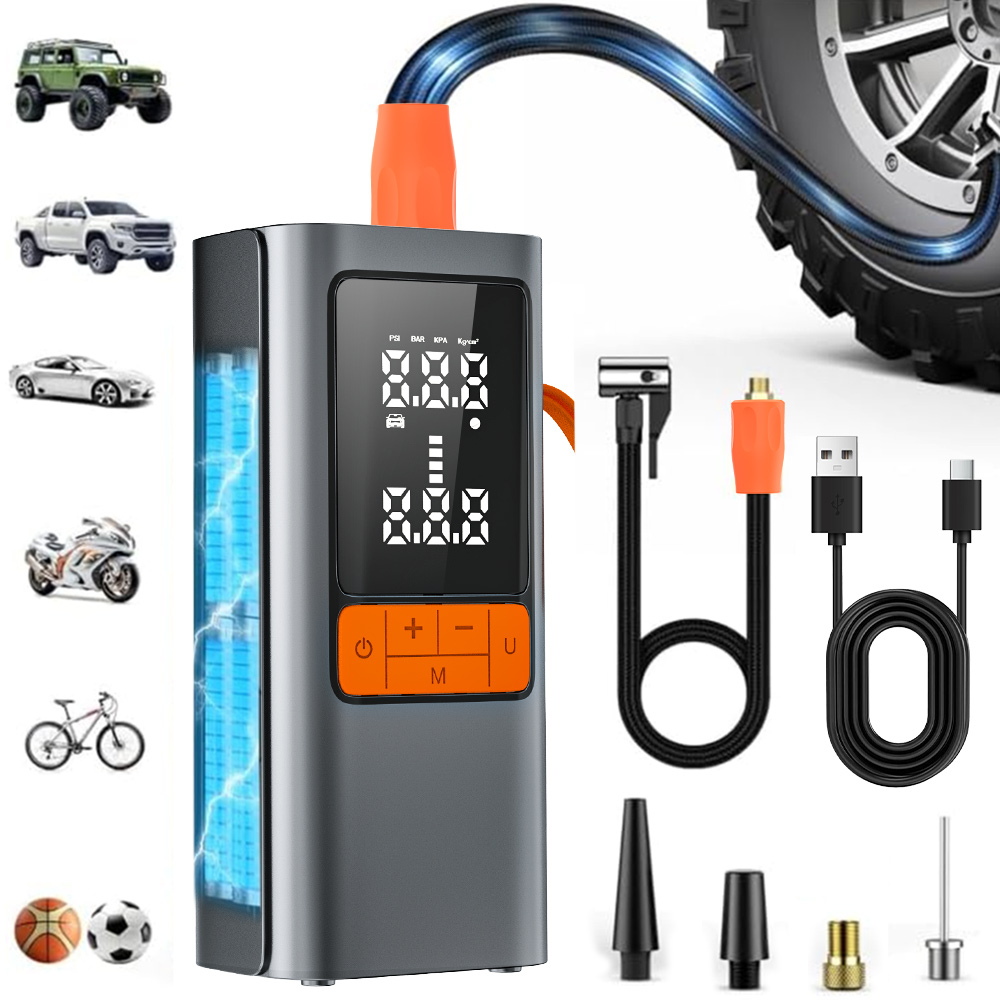
5 key drivers—quality demand, tech advances, safety needs, supply resilience & differentiation—push brands to reassess tire inflator suppliers now.
2026/08/06
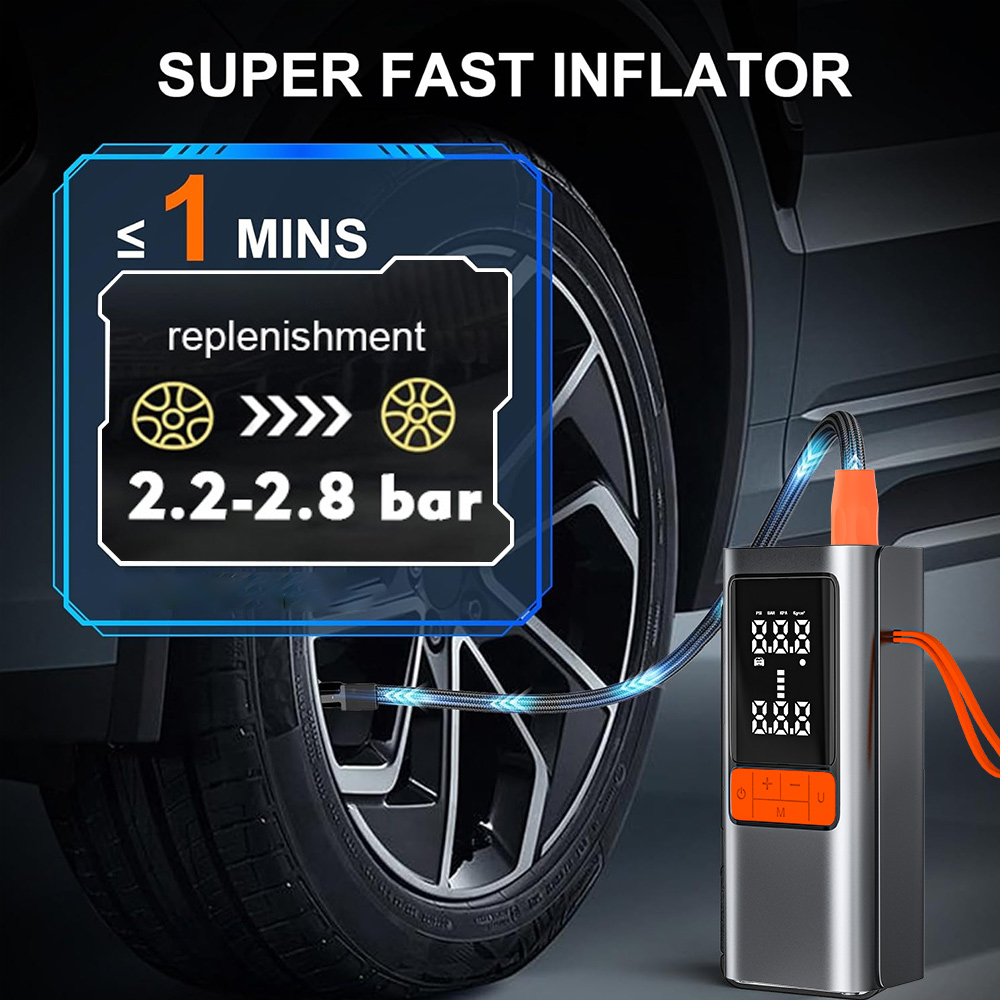
What truly separates top tire inflator suppliers? Discover 7 capabilities—smart tech, aluminum build, 5-yr warranty—that define reliable suppliers.

24/7 expert support ensures quick solutions for your electronics needs

12-month warranty coverage for all purchased electronic accessories

Reliable spare parts supply to guarantee uninterrupted device operation

CE, FCC, RoHS, UKCA certified for global market compliance and safety