EN
EN



Technical Hotline
24/7 expert support ensures quick solutions for your electronics needs
2026/08/03
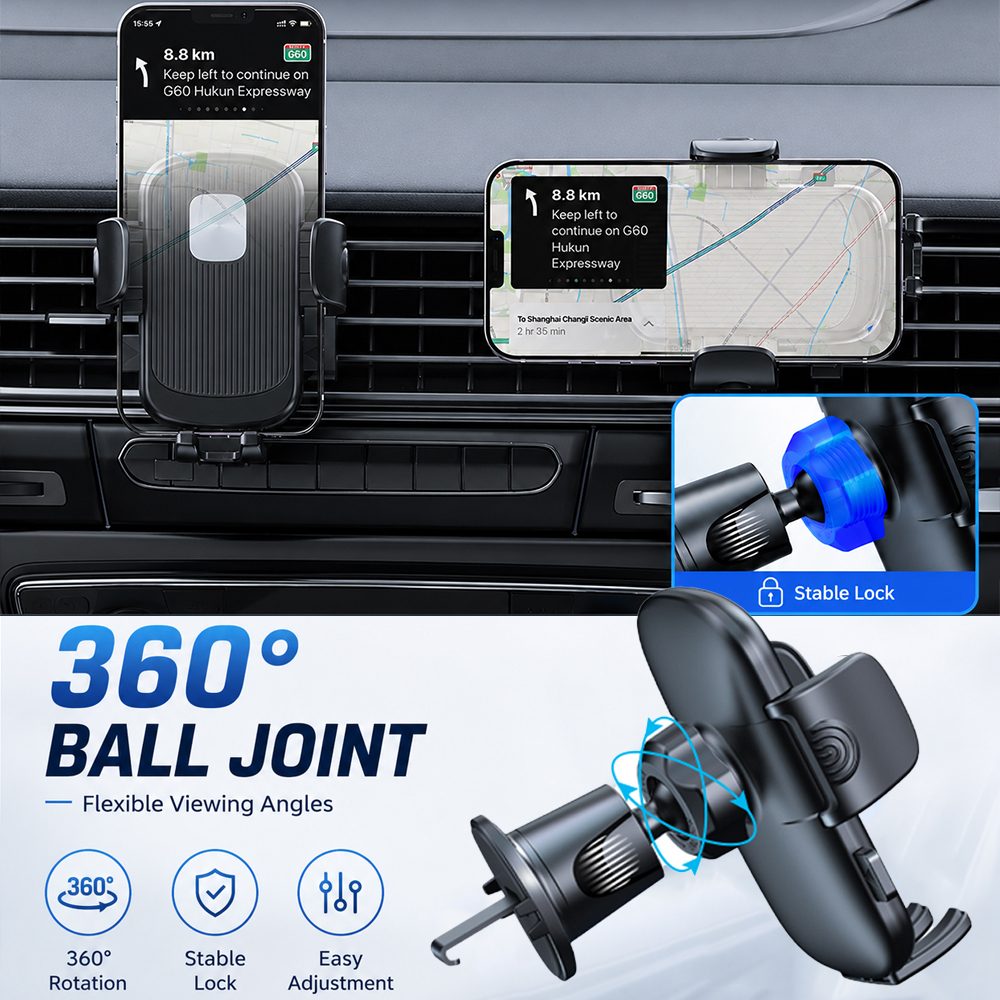
The automotive accessories industry is undergoing a profound transformation driven by automation technology. Every car phone mount manufacturer today faces the critical reality that remaining competitive requires embracing automated production systems. What once was a labor-intensive assembly process has evolved into a precision-driven manufacturing environment where speed, consistency, and quality directly correlate with market success. The stakes are high, and the pressure to modernize is relentless.
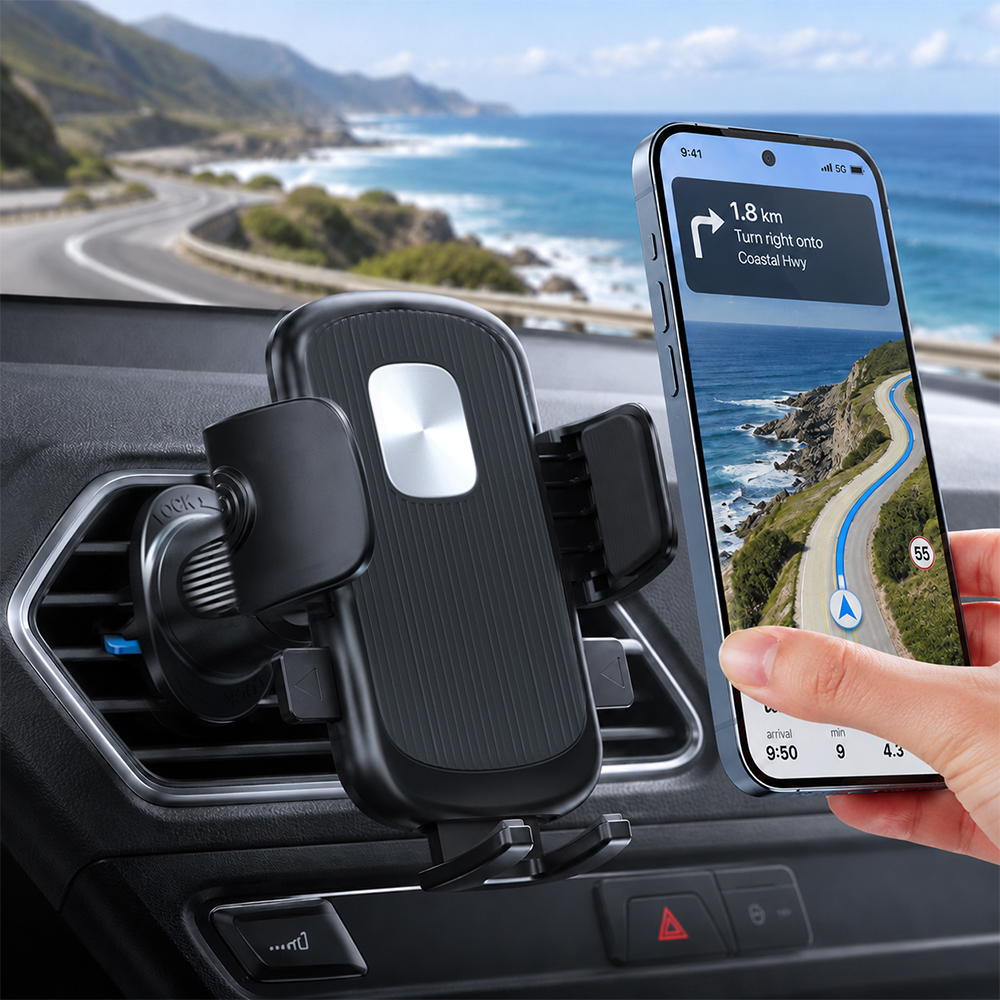
Automation in car phone mount manufacturing encompasses robotic assembly, precision injection molding, computer-controlled quality inspection, and integrated logistics systems. These technologies eliminate human error, increase output capacity, and reduce labor costs significantly. For a dashboard phone holder supplier or windshield mount production facility, the transition to automation represents both a substantial investment and an opportunity to capture larger market share. Understanding why this shift is inevitable helps manufacturers navigate the operational and strategic challenges ahead.
The global demand for car phone mounts has surged dramatically as smartphone adoption becomes universal and consumers prioritize hands-free driving safety. A dashboard phone holder supplier must now produce hundreds of thousands of units annually to meet market expectations. Manual assembly processes cannot scale efficiently at this volume without proportionally increasing labor costs and reducing profit margins. Automation allows manufacturers to meet explosive demand while maintaining competitive pricing.
Windshield mount production facilities that attempt to remain labor-dependent quickly discover they cannot compete with automated competitors offering faster delivery, lower defect rates, and more consistent product quality. The market inherently rewards speed and reliability, making automation not merely advantageous but essential for survival. Customers expect consistent performance across every unit they purchase, and automated systems deliver exactly that level of uniformity.
Labor costs in manufacturing continue rising globally, particularly in established industrial regions. An automotive phone grip wholesale operation faces pressure from both rising wage demands and the need to remain price-competitive in a crowded marketplace. Automation dramatically reduces per-unit labor costs by replacing repetitive assembly tasks with robotic systems that operate 24/7 without fatigue or wage increases. This cost advantage translates directly into higher margins or lower customer prices, creating a powerful competitive lever.
The total cost of ownership for automated systems includes equipment investment, maintenance, software updates, and technical expertise, but these costs distribute across massive production volumes. A car phone mount manufacturer producing one million units annually spreads automation costs thinly, resulting in per-unit economies that manual production cannot match. Manufacturers who delay automation adoption find themselves increasingly priced out of contracts requiring high-volume, low-cost delivery.
Manual assembly introduces inherent variability in product quality. Worker fatigue, attention variations, and skill differences create inconsistent attachment strength, alignment precision, and component fit. Dashboard phone holder suppliers using automation achieve defect rates measured in parts per million rather than percentages. Each windshield mount production cycle follows identical parameters, ensuring every unit functions identically and meets engineering specifications precisely.
Quality consistency directly impacts customer satisfaction, warranty costs, and brand reputation. An automotive phone grip wholesale operation that ships defective products accumulates returns, negative reviews, and lost repeat business. Automated quality inspection systems detect defects before products ship, protecting reputation and reducing costly recalls. This quality transformation fundamentally changes customer perception and creates lasting competitive advantage.
Modern automated systems are increasingly modular and programmable, allowing a car phone mount manufacturer to switch between product variants quickly without significant setup time. When market preferences shift or new smartphone models require different grip specifications, automated facilities adapt within hours rather than days or weeks. Dashboard phone holder suppliers can now launch seasonal variations, OEM-specific configurations, and customized designs with minimal production disruption.
This operational flexibility enables windshield mount production teams to respond rapidly to customer demands and market opportunities. Rather than committing to rigid production schedules months in advance, automated manufacturers operate with agility and market responsiveness. The ability to pivot quickly translates into capturing emerging market segments and maintaining relevance as customer preferences evolve continuously.
Companies that invest in automation today position themselves as industry leaders in the coming decade. An automotive phone grip wholesale business that embraces advanced manufacturing demonstrates commitment to innovation, efficiency, and customer value. Technology investment attracts partnerships with major automotive suppliers and OEM customers who increasingly require vendors to operate at enterprise-level production standards. This leadership position creates durable competitive moats that protect market share and pricing power.
A dashboard phone holder supplier that delays automation risks falling behind technologically sophisticated competitors who already operate lean, efficient operations. The gap widens over time, making late adoption increasingly expensive and disruptive. First-movers in automation gain several years of operational advantage, cost reduction, and market expansion before competitors catch up. Strategic timing matters enormously in capital-intensive manufacturing transformations.
Automation shifts manufacturing labor from repetitive assembly to skilled technical roles. Windshield mount production facilities now employ programmers, robotics technicians, data analysts, and quality engineers rather than assembly-line workers. This evolution attracts more educated, higher-skilled workers who contribute to continuous improvement, innovation, and problem-solving. A car phone mount manufacturer that embraces this transition builds a more capable, engaged workforce positioned for advanced manufacturing excellence.
The psychological and economic shift from low-skill, repetitive work to technical, creative roles improves employee retention and satisfaction. Workers developing expertise in automation technology enjoy career progression and income growth unavailable in traditional assembly roles. This talent attraction and development creates organizational capability that extends beyond manufacturing into product design, process optimization, and strategic innovation.
The most impactful technologies include robotic injection molding and assembly systems, automated vision inspection for quality control, conveyor integration with real-time tracking, and collaborative robots for flexible assembly tasks. A dashboard phone holder supplier typically combines these technologies to create end-to-end automated workflows. Windshield mount production benefits particularly from vision systems detecting mounting surface variations and automated adjustment mechanisms ensuring perfect alignment. Most modern facilities integrate these technologies into interconnected systems optimized for their specific product portfolio.
The timeline varies significantly based on facility size, current infrastructure, and product complexity. A typical transition for an automotive phone grip wholesale operation requires 6 to 18 months from planning through full implementation. Initial phases involve facility redesign, equipment procurement, and installation. Subsequent phases address worker retraining, process optimization, and quality refinement. Phased implementation allows manufacturing to continue during transition, minimizing revenue disruption. Most successful transitions happen when manufacturers plan strategically rather than attempting complete overnight transformation.
Small manufacturers can survive in specialty niches, OEM partnerships requiring specific customization, or regional markets with limited competition. However, competing in mass-market segments or pursuing rapid growth without automation becomes increasingly difficult. A dashboard phone holder supplier without automation cannot match pricing, lead times, or quality consistency of automated competitors. Niche positioning, premium products, and specialized customer relationships can sustain smaller businesses, but automation ultimately becomes necessary for significant market expansion and long-term viability in most market segments.
2026/08/17
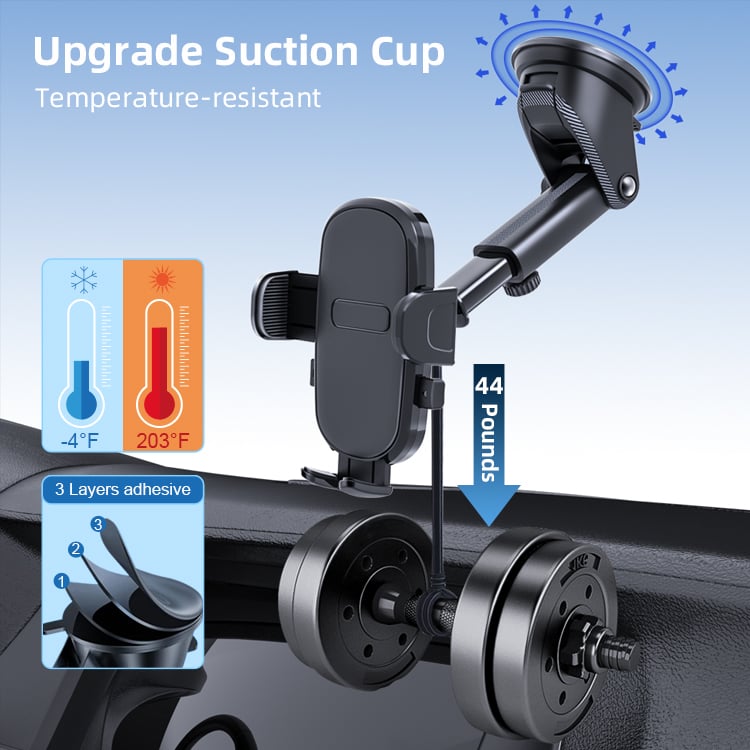
How do top car phone holder wholesale suppliers thrive amid shifting demand, tech shifts & supply chain volatility? Agile responses boost margins.
2026/08/17
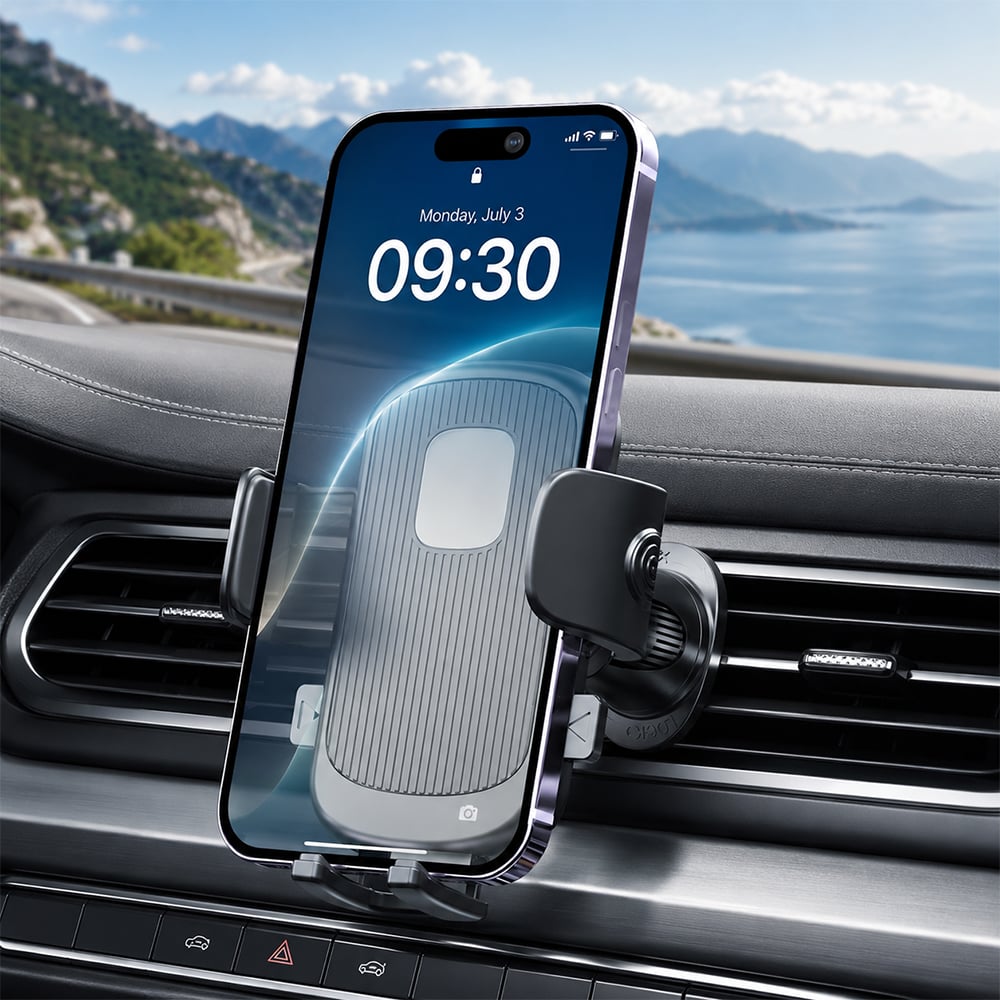
Struggling to expand automotive accessories without bloating inventory? Car phone holder wholesale boosts margins, meets demand & simplifies supply chains.
2026/08/03
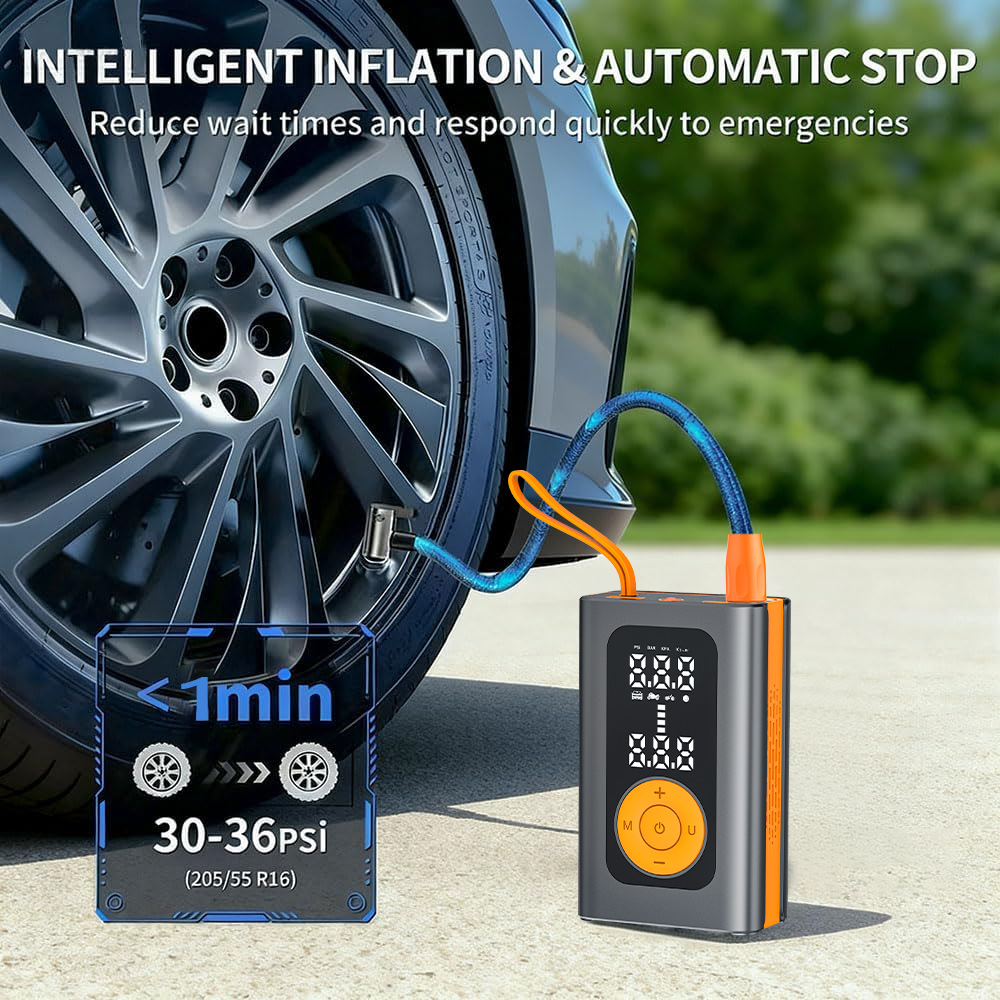
Bulk sourcing cordless tire inflators? Discover 7 key features—brushless motors to USB-C charging—that boost ROI, durability & uptime.
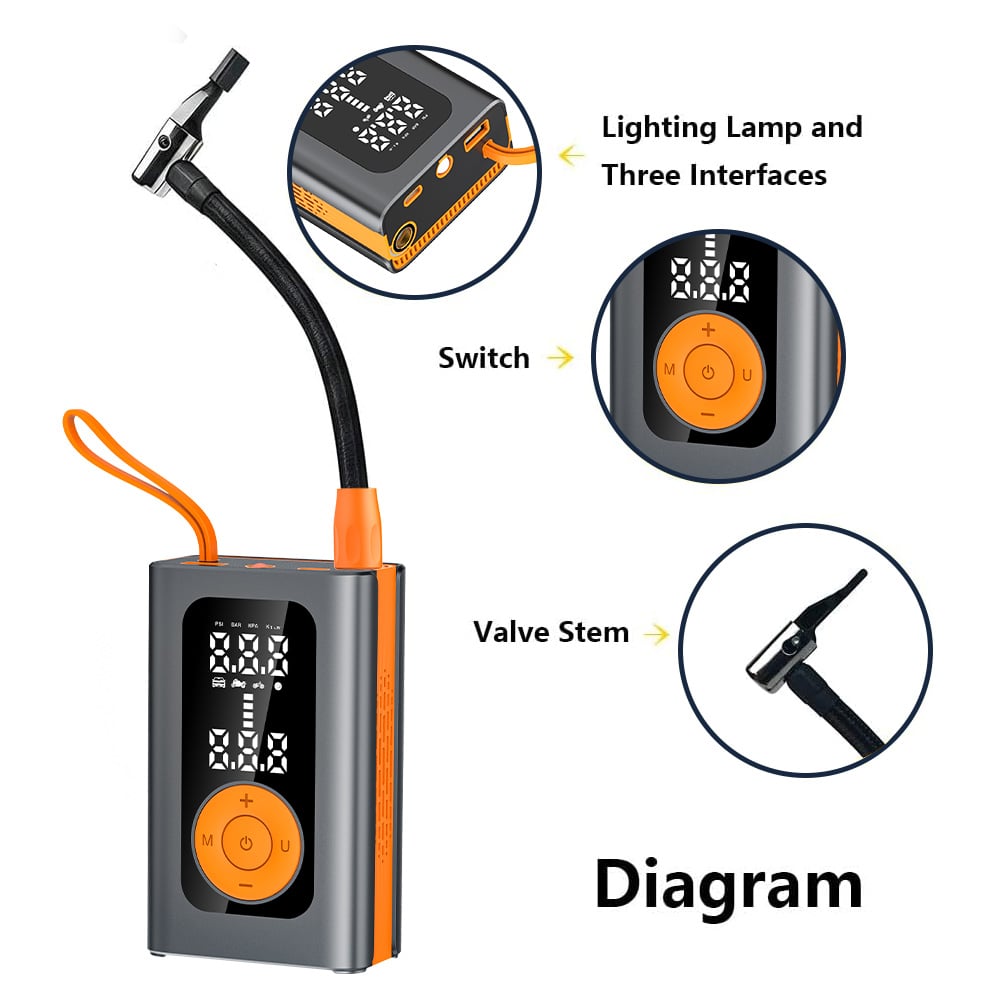
2026/08/04
Struggling with product failures and warranty claims? Discover how top tire inflator suppliers boost reliability, cut costs, and win trust.
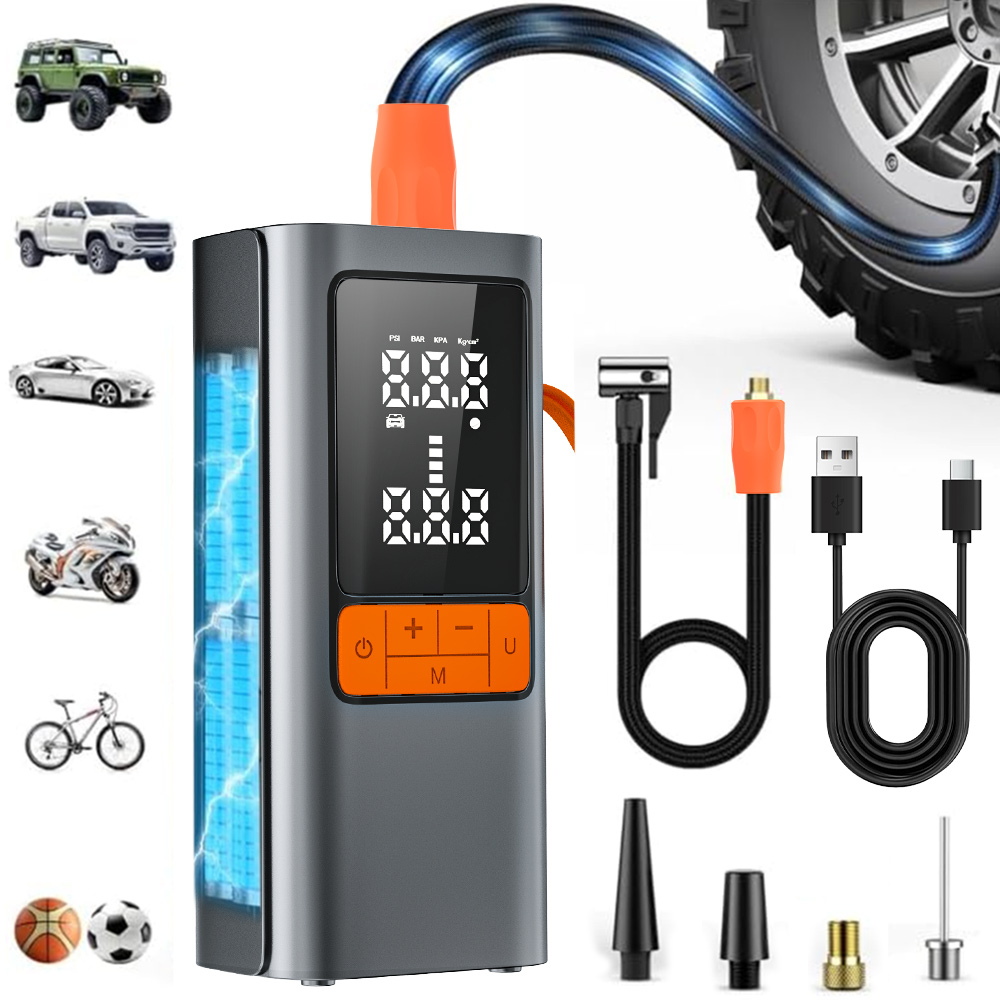
2026/08/05
5 key drivers—quality demand, tech advances, safety needs, supply resilience & differentiation—push brands to reassess tire inflator suppliers now.
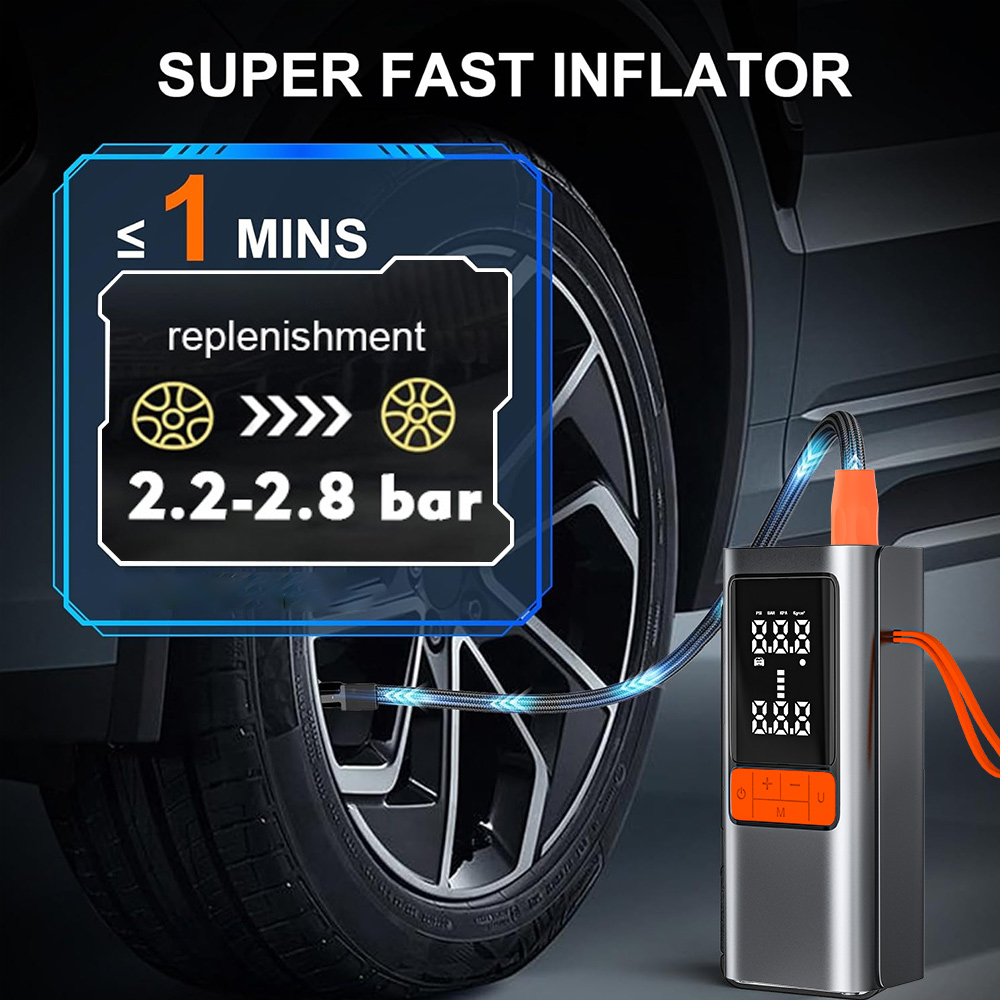
2026/08/06
What truly separates top tire inflator suppliers? Discover 7 capabilities—smart tech, aluminum build, 5-yr warranty—that define reliable suppliers.

24/7 expert support ensures quick solutions for your electronics needs

12-month warranty coverage for all purchased electronic accessories

Reliable spare parts supply to guarantee uninterrupted device operation

CE, FCC, RoHS, UKCA certified for global market compliance and safety