EN
EN










Technical Hotline
24/7 expert support ensures quick solutions for your electronics needs
2026/08/03
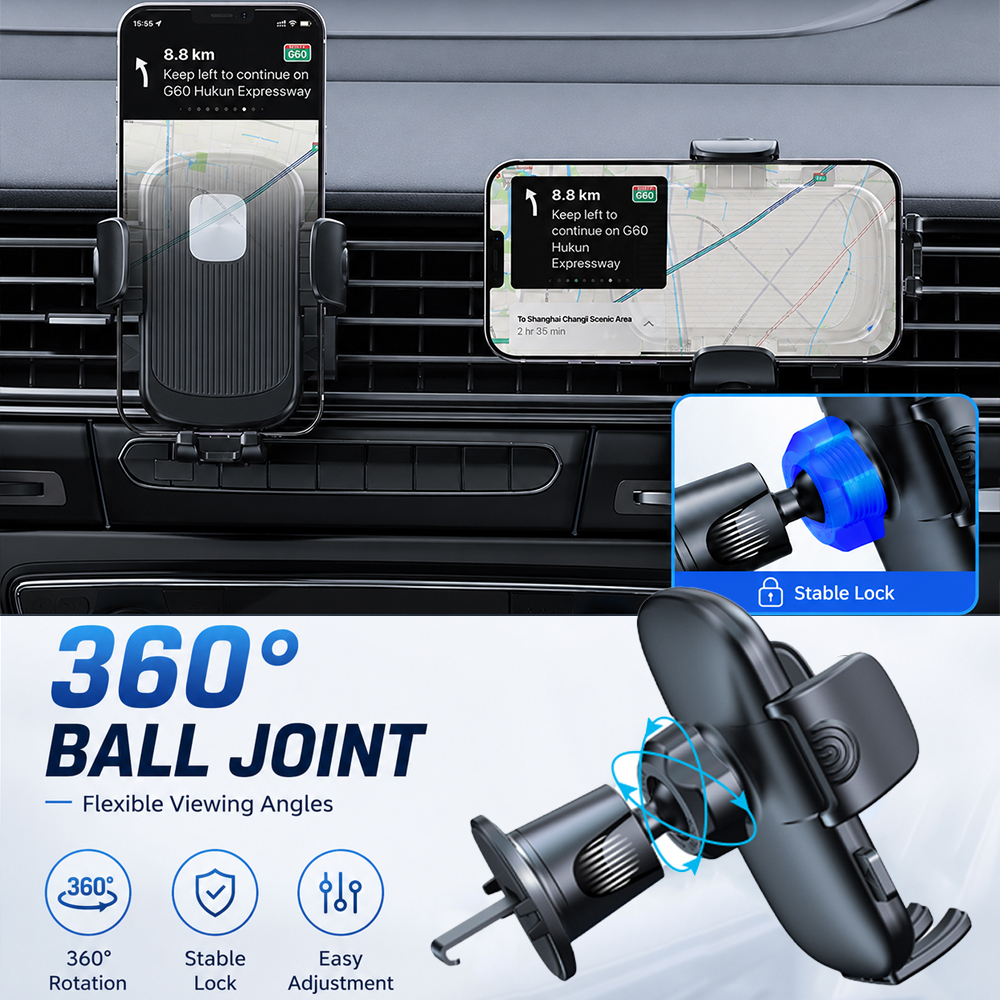
Scaling manufacturing operations while maintaining consistent product quality remains one of the most challenging hurdles for any car phone mount manufacturer. As production volumes increase and market demand grows, the risk of quality degradation intensifies. Many manufacturers struggle to replicate the precision and attention to detail that characterizes their initial batches once they begin high-volume production. The challenge becomes even more complex when managing multiple production lines, suppliers, and distribution channels simultaneously. Success at scale depends on systematically addressing root causes of inconsistency before they manifest in customer complaints or warranty claims.

Every dashboard phone holder supplier and windshield car mount wholesale operation faces the same operational reality: maintaining uniformity across thousands of units per month demands far more than good intentions. Quality consistency requires disciplined processes, robust measurement systems, and cultures where every team member understands their role in protecting the brand. This article explores practical strategies that enable car phone mount manufacturers to scale effectively while delivering reliably consistent products that meet customer expectations and regulatory standards.
A dashboard phone holder supplier cannot maintain consistency without crystallizing every critical dimension, material property, and assembly requirement into clear, measurable specifications. The foundation begins with detailed design documentation that specifies exact tolerances for all critical surfaces. Whether working with injection-molded plastics, metal springs, or adhesive components, each material must have documented properties including tensile strength, durability thresholds, and surface finish requirements. These specifications function as the binding contract between design intent and production reality, ensuring that every unit manufactured meets the same standard regardless of which production facility, shift, or operator handles the work.
Material sourcing decisions heavily influence whether consistency can be maintained. An automotive phone accessory distributor should establish long-term relationships with material suppliers who commit to consistent formulations and quality metrics. Rather than accepting the lowest-cost material option, smart manufacturers negotiate exclusive batches or traceability systems that ensure material variability remains minimal. This investment in supplier relationships typically costs more upfront but eliminates the hidden costs of variable product quality, customer returns, and reputation damage that inevitably follow material inconsistency.
Before scaling production upward, a windshield car mount wholesale manufacturer must conduct rigorous first-article inspections that verify every specification has been correctly translated into manufactured parts. This involves measuring critical dimensions, conducting durability testing, assessing assembly alignment, and validating that the actual product matches design intent. First-article inspection serves as the quality gate that prevents flawed designs or processes from replicating across thousands of units. Documentation from this inspection phase becomes the reference standard against which all subsequent production batches are compared, creating an objective quality baseline rather than relying on subjective assessments.
Manufacturing consistency fundamentally improves when car phone mount manufacturers shift from reactive inspection to predictive statistical monitoring. Statistical process control (SPC) tracks key process variables such as injection molding temperatures, press force, cure times, and assembly torque specifications. Rather than waiting for final inspection to discover problems, SPC methods detect when processes begin drifting outside acceptable ranges before scrap is created. Control charts plot production metrics over time, making process instability visible so operators and supervisors can intervene immediately. This proactive approach prevents the accumulation of defective units and enables continuous refinement of process parameters for optimal consistency.
A dashboard phone holder supplier benefits tremendously from automating data collection from production equipment. Digital sensors and integrated manufacturing systems capture real-time measurements without manual transcription errors, feeding information directly into analysis software. This automation enables rapid detection of anomalies and creates permanent records that document when variations occurred and what corrective actions proved effective. Over time, these data reveal patterns that inform equipment maintenance schedules, operator training priorities, and process parameter optimization initiatives that all contribute to improved consistency.
No single inspection moment can reliably catch all quality issues in complex assemblies. An automotive phone accessory distributor should establish inspection checkpoints at multiple stages: incoming material verification, in-process checks during assembly, and final unit inspection before shipment. Each checkpoint targets specific failure modes and catches problems at the earliest possible stage. For example, incoming inspection verifies that adhesive components bond properly to display surfaces, while assembly checkpoints verify that ball joints rotate smoothly within design parameters, and final inspection confirms that products withstand the drop-test impacts that simulate real-world automotive environments. This layered approach ensures that defects are caught progressively rather than allowing them to advance through the supply chain.
Inconsistency often traces back to specific recurring failure modes that repeat across multiple production runs. A windshield car mount wholesale manufacturer must implement disciplined root cause analysis procedures that investigate every significant quality incident. The goal extends beyond merely fixing the immediate problem to understanding why the problem occurred and what systemic change prevents recurrence. This approach requires documenting failure patterns, tracing them to their sources in process design or material properties, and implementing permanent corrective actions rather than temporary workarounds. When done consistently, root cause analysis transforms complaint data into valuable intelligence that makes products more robust and processes more stable.
Corrective action effectiveness improves dramatically when teams verify that implemented solutions actually prevent recurrence across subsequent production batches. Some corrective actions require equipment modifications, others involve procedural changes or material supplier changes. Each corrective action should include acceptance criteria that define how success will be measured and monitored going forward. This verification step prevents the common trap of implementing solutions that address surface symptoms without resolving underlying causes, which inevitably leads to recurring quality issues and frustrated customers.
Even the most sophisticated car phone mount manufacturer cannot achieve consistent quality without skilled operators who understand their process responsibility. Comprehensive operator training programs must address not just how to perform tasks, but why consistency matters and how individual decisions impact final product quality. Operators trained to recognize early warning signs of process drift can intervene proactively before problems become widespread. Additionally, engaging operators in problem-solving initiatives and rewarding suggestions that improve consistency transforms them from passive workers into active quality champions. Many of the best improvement ideas originate from operators who work directly with processes daily and recognize opportunities that engineers overlook.
Scrap reduction begins with prevention rather than detection. Implementing statistical process control identifies and eliminates the root causes of defects before they occur. Simultaneously, rigorous first-article inspection and layered in-process checkpoints catch any issues that slip through process controls. Many suppliers also find that investing in operator training and equipment maintenance yields faster scrap reductions than simply adding more inspectors. The combination of predictive monitoring and corrective action systems typically reduces scrap rates by thirty to forty percent within the first year.
Material suppliers fundamentally shape product consistency because material variability propagates directly into finished product performance. Establishing partnerships with suppliers who maintain strict quality certifications, batch traceability, and consistent formulations is essential. Many windshield car mount wholesale operations negotiate exclusive material batches or implement incoming inspection protocols that verify material properties before use. This investment in supplier relationships typically costs more upfront but eliminates the hidden costs and customer dissatisfaction that follow material inconsistency, making it a smart long-term business decision.
Quality investments reduce costs more than they add to them because prevention eliminates expensive rework, warranty claims, and brand damage. Statistical process control systems require upfront software investment but prevent scrap that costs far more. Operator training investments produce measurable returns through reduced errors and faster problem resolution. Rather than viewing consistency as a cost burden, manufacturers should measure the return on investment through scrap reduction, improved yield rates, and reduced customer returns. Most manufacturers discover that their consistency investments pay for themselves within months while simultaneously strengthening market reputation and customer loyalty.
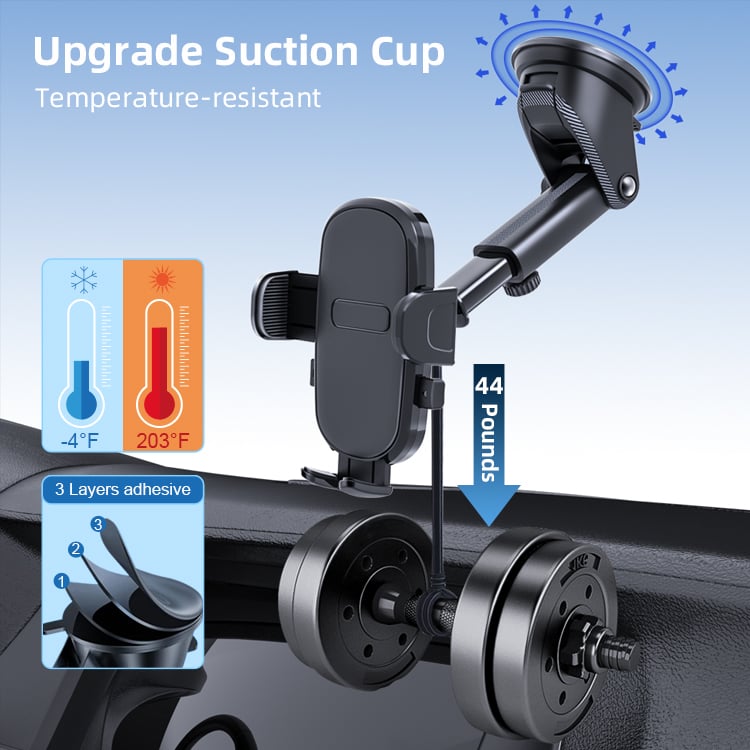
2026/08/17
How do top car phone holder wholesale suppliers thrive amid shifting demand, tech shifts & supply chain volatility? Agile responses boost margins.

2026/08/17
Struggling to expand automotive accessories without bloating inventory? Car phone holder wholesale boosts margins, meets demand & simplifies supply chains.
2026/08/03
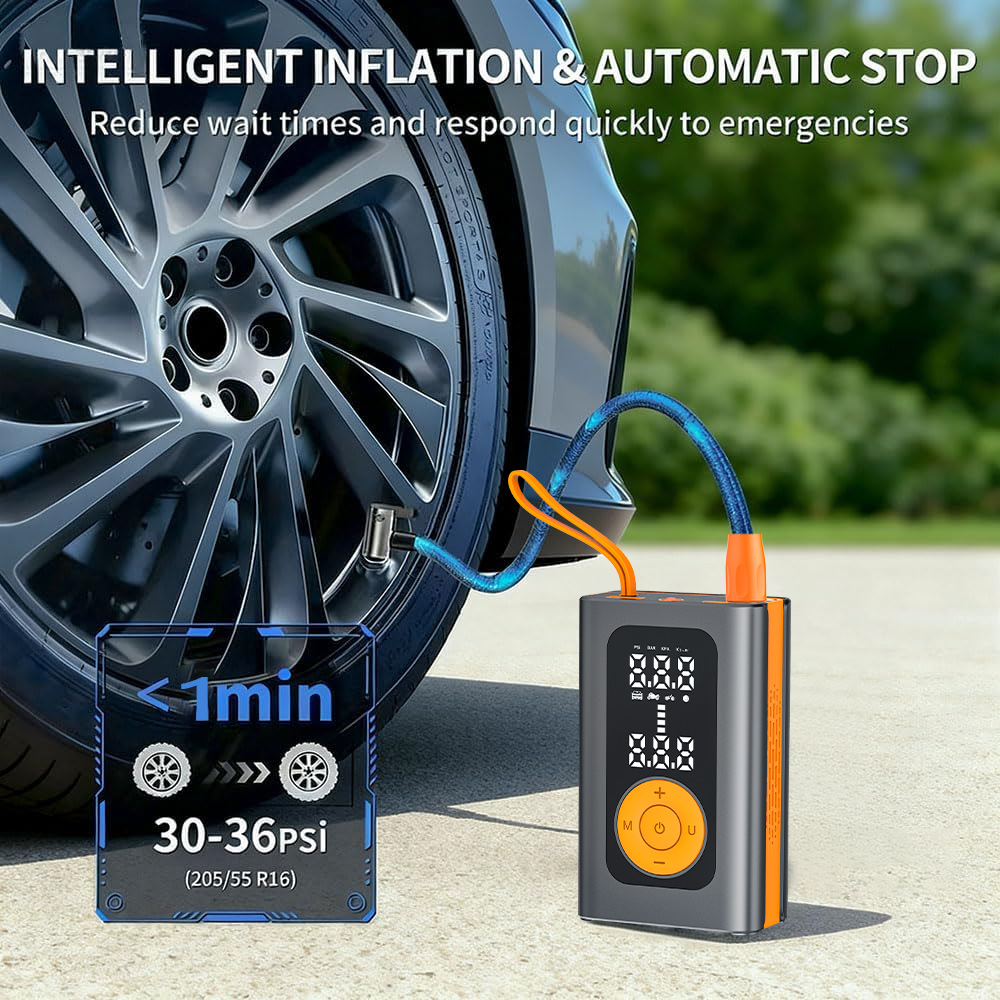
Bulk sourcing cordless tire inflators? Discover 7 key features—brushless motors to USB-C charging—that boost ROI, durability & uptime.
2026/08/04
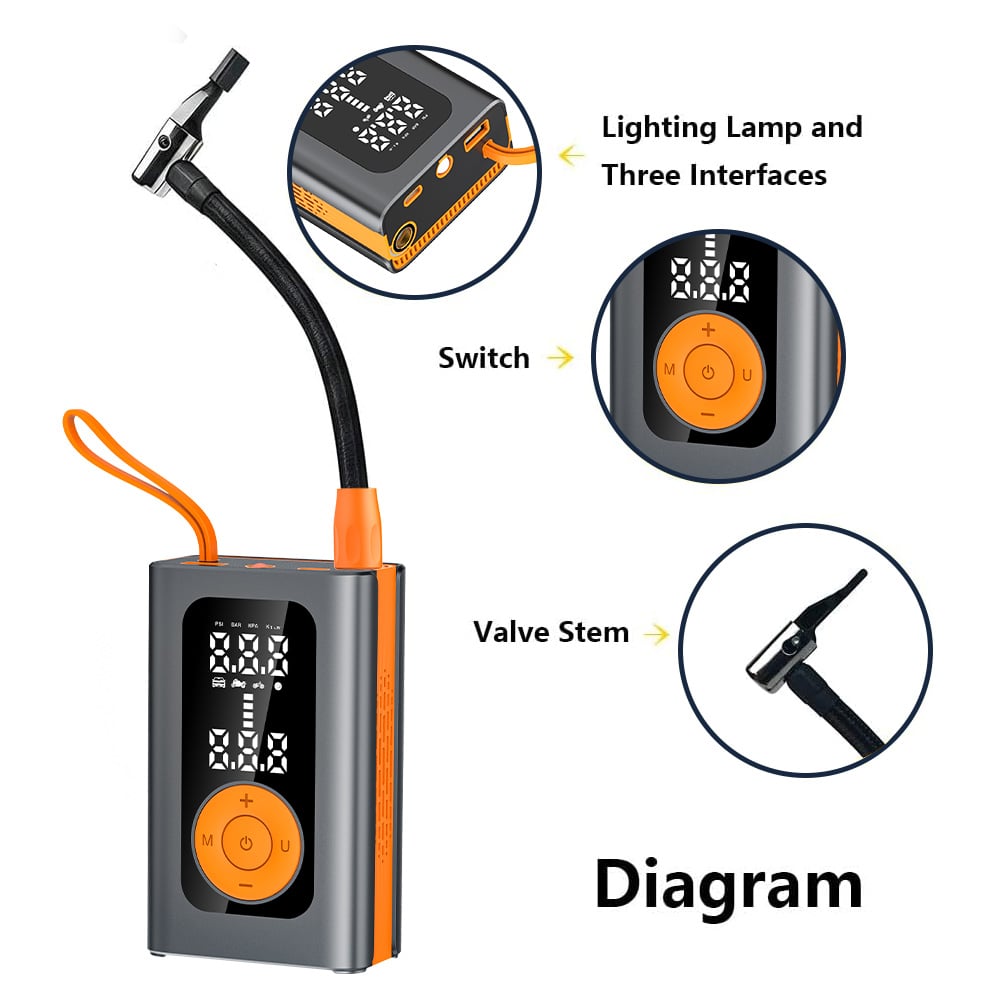
Struggling with product failures and warranty claims? Discover how top tire inflator suppliers boost reliability, cut costs, and win trust.
2026/08/05
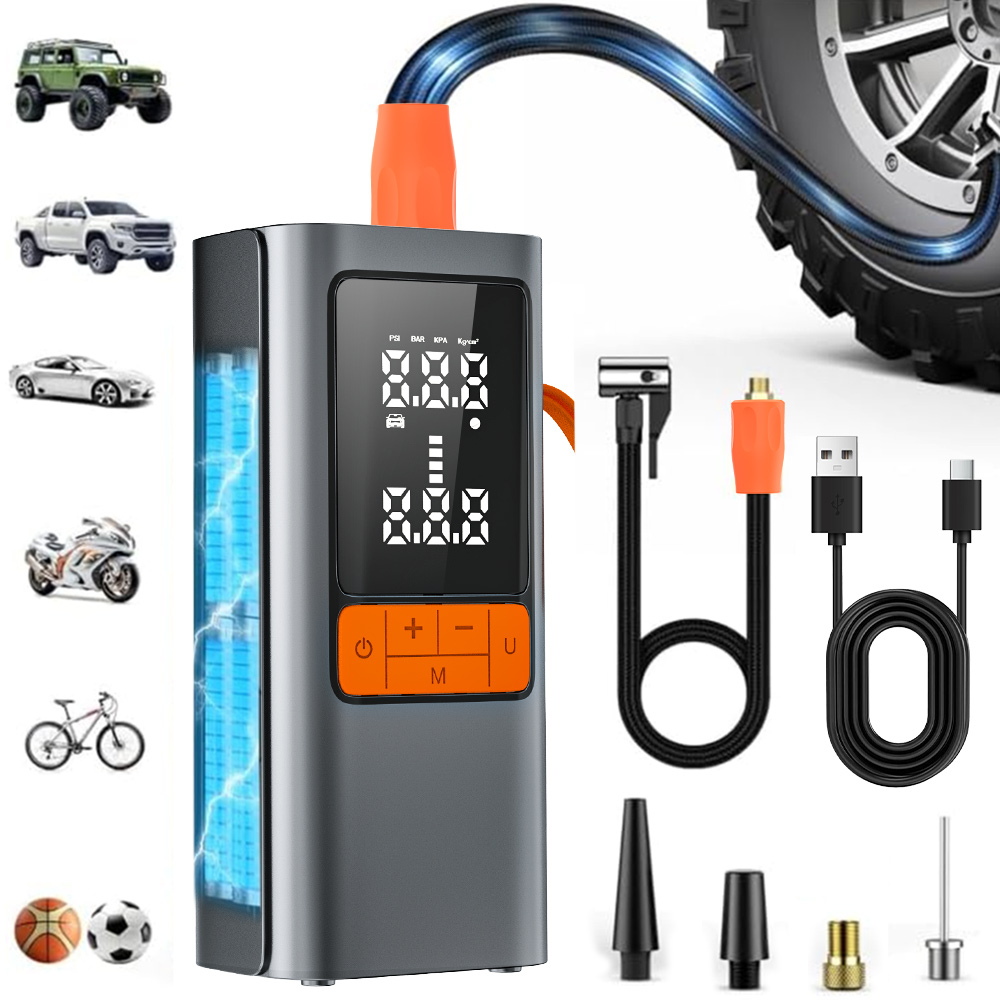
5 key drivers—quality demand, tech advances, safety needs, supply resilience & differentiation—push brands to reassess tire inflator suppliers now.
2026/08/06
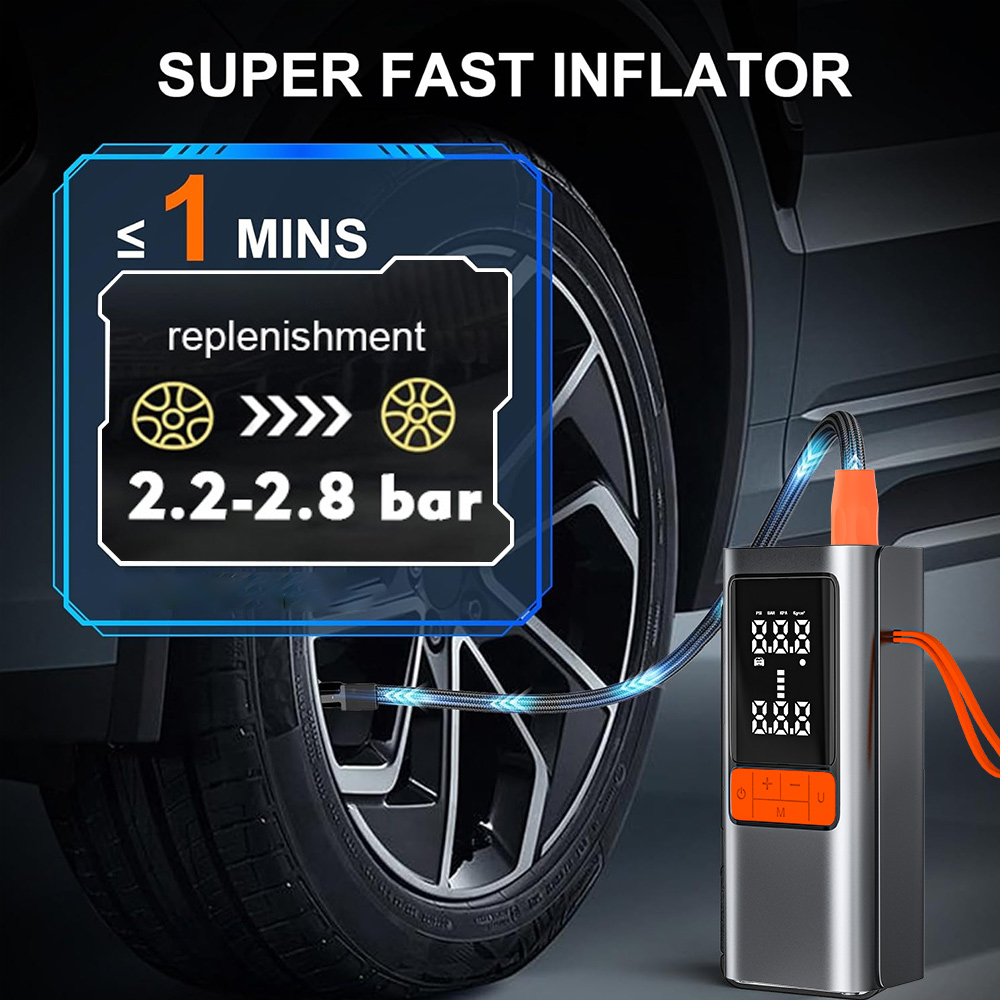
What truly separates top tire inflator suppliers? Discover 7 capabilities—smart tech, aluminum build, 5-yr warranty—that define reliable suppliers.

24/7 expert support ensures quick solutions for your electronics needs

12-month warranty coverage for all purchased electronic accessories

Reliable spare parts supply to guarantee uninterrupted device operation

CE, FCC, RoHS, UKCA certified for global market compliance and safety