EN
EN









Technical Hotline
24/7 expert support ensures quick solutions for your electronics needs
2026/08/13
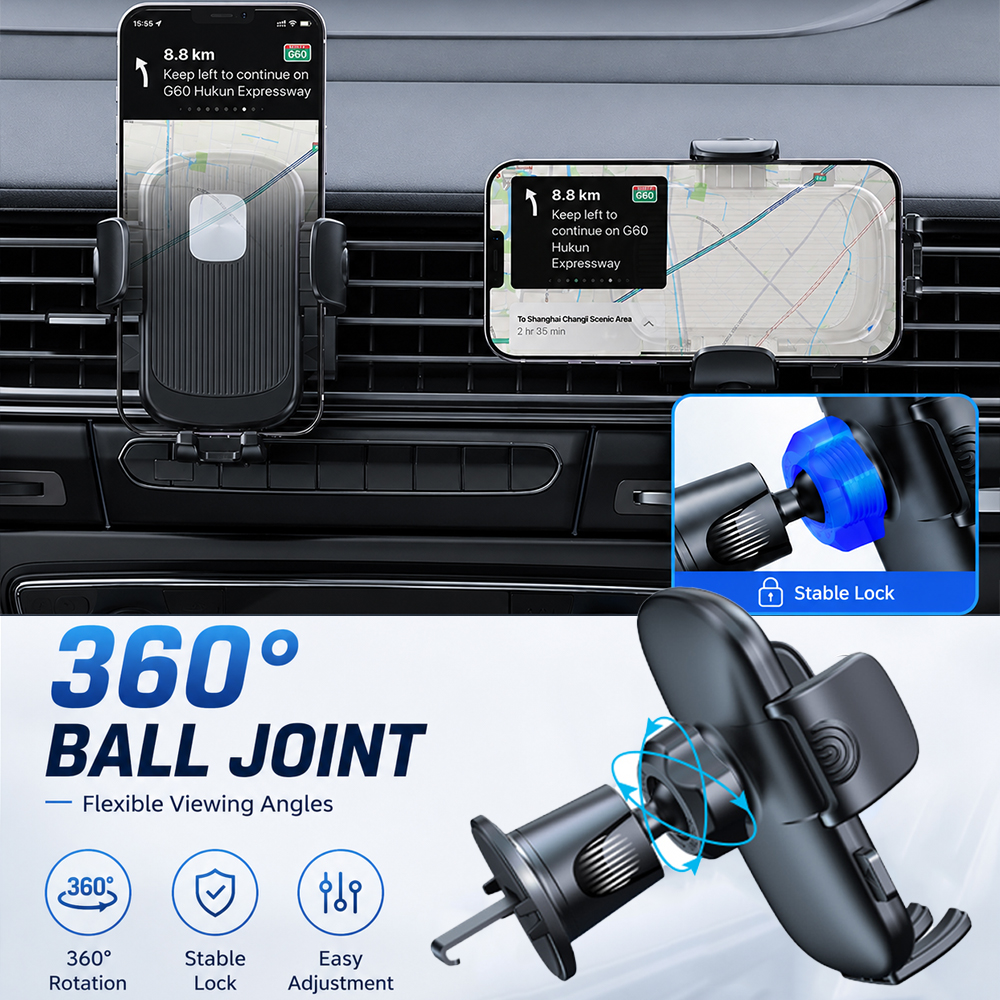
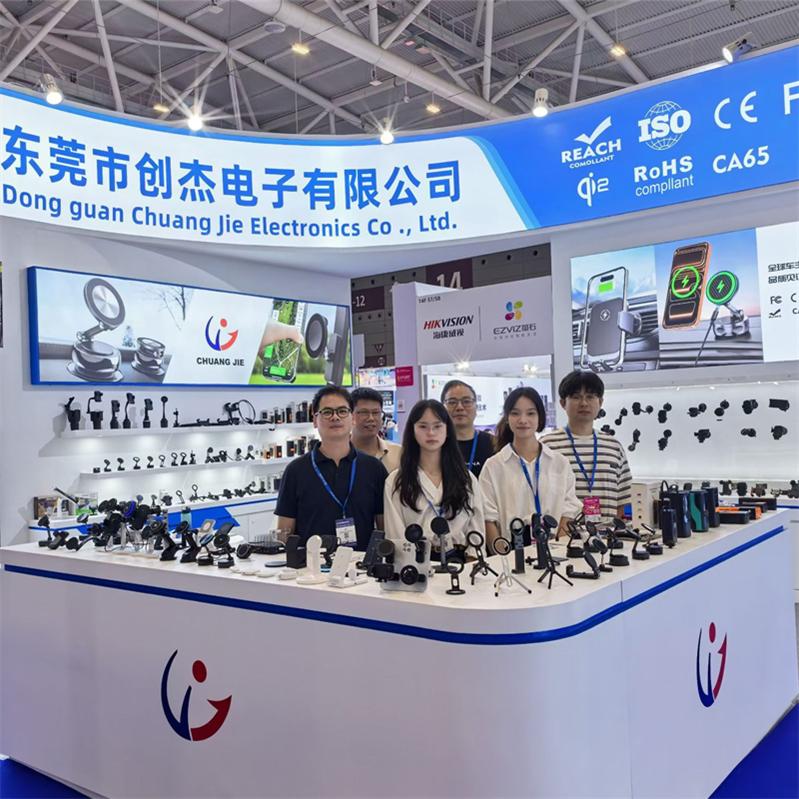
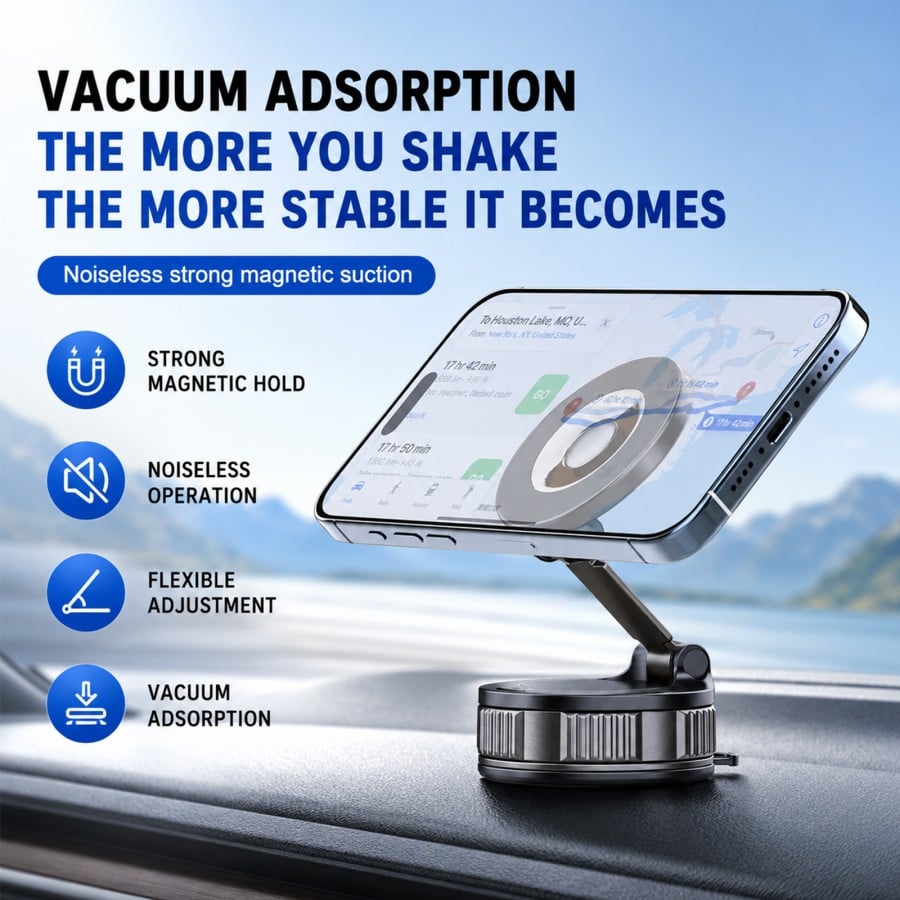
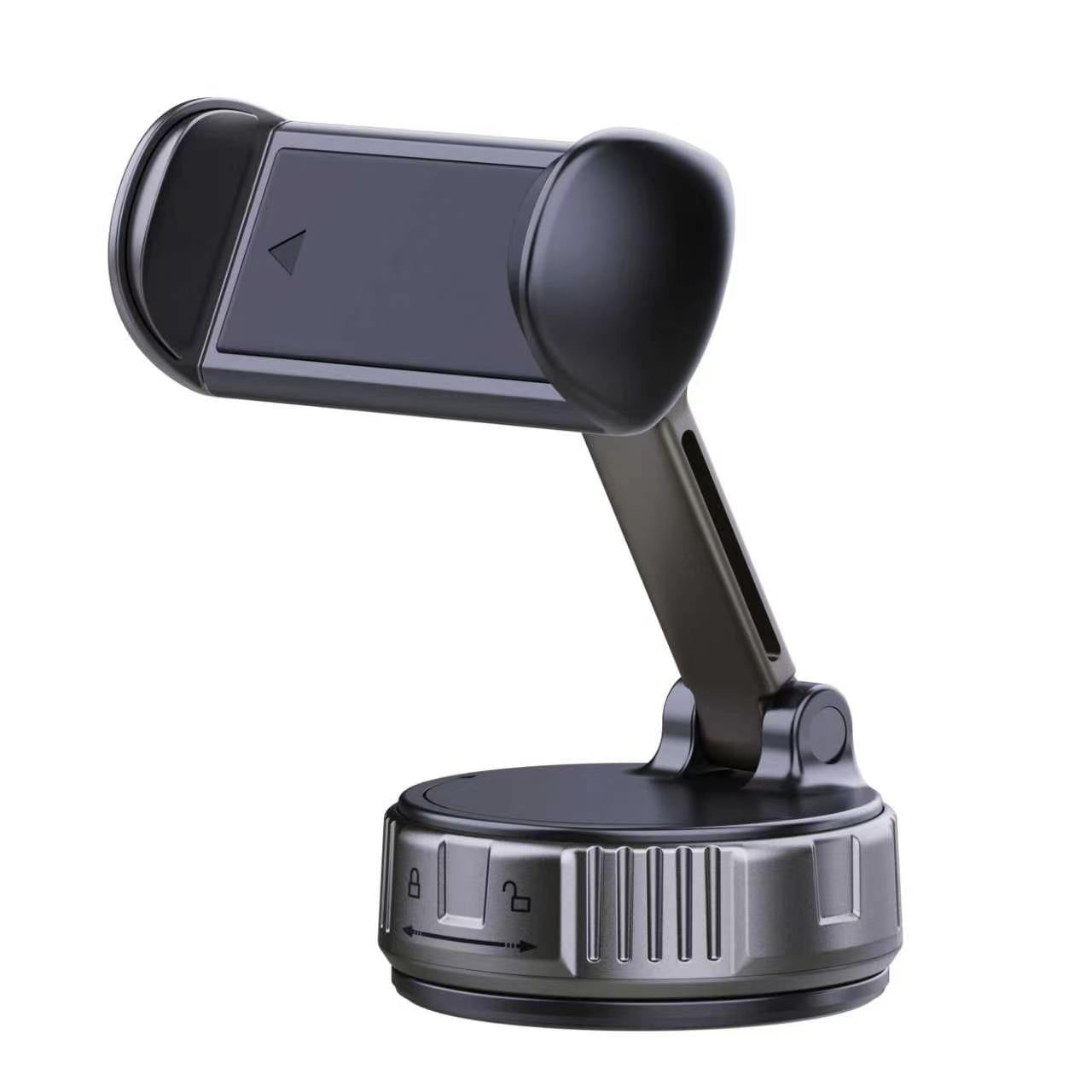
A car phone holder factory must implement comprehensive quality assurance systems to ensure every product meets or exceeds customer expectations. Product consistency, durability, and performance are critical factors that distinguish reliable manufacturers from ordinary producers. This article explores the core strategies, testing protocols, and operational practices that enable a leading car phone holder factory to maintain stable, high-quality output across all product lines.
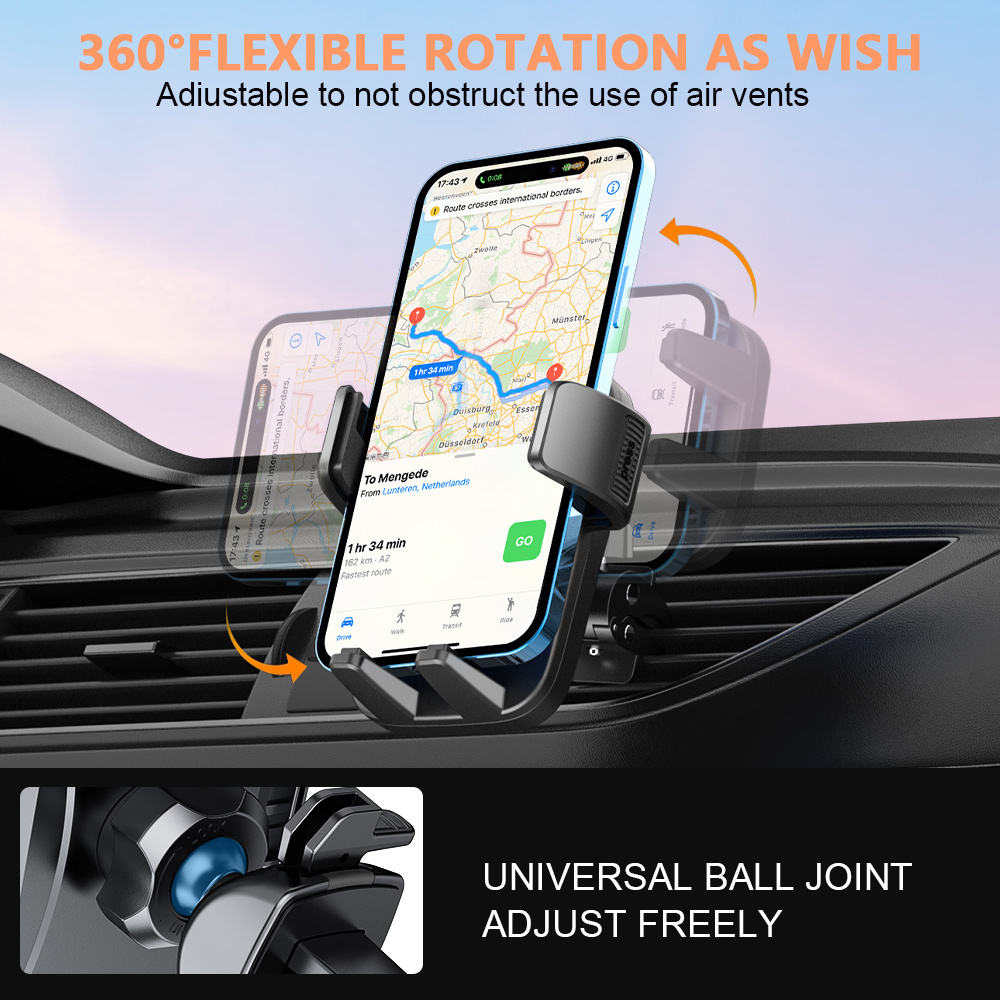
Stable product quality requires more than individual inspection efforts. It demands a systematic approach spanning material sourcing, production workflow standardization, equipment maintenance, and continuous testing. Dashboard phone mount manufacturing processes must integrate quality checkpoints at every stage, from raw material arrival through final packaging. Vehicle phone holder suppliers operating at scale understand that consistency builds customer trust and reduces warranty claims, ultimately supporting long-term business growth and market reputation.
Dashboard phone mount manufacturing begins with careful material selection. A car phone holder factory establishes strict supplier qualification standards, requiring vendors to provide material certifications, mill test reports, and batch documentation. Steel grades, silicone durometers, adhesive specifications, and plastic resins must all meet defined tolerances. Premium materials cost more initially, but they prevent failures in the field that damage brand reputation.
Vehicle phone holder suppliers work with material engineers to validate incoming batches against specifications. Incoming inspection protocols include hardness testing, tensile strength verification, and chemical composition checks. Random sampling prevents defective material from entering production. This disciplined approach eliminates a major source of quality variance before manufacturing even begins.
A car phone holder factory maintains detailed traceability for all materials used in production. Each batch is logged with supplier identity, receipt date, test results, and storage conditions. Material batches are segregated and used in sequence to ensure no expired or degraded materials reach assembly. Climate-controlled storage protects sensitive components from temperature and humidity fluctuations that could affect performance. Automotive mobile accessories production standards demand this level of record-keeping to support quality investigations if issues arise.
Dashboard phone mount manufacturing relies on detailed standard operating procedures for every assembly, welding, coating, and assembly task. A car phone holder factory develops work instructions with visual aids, torque specifications, adhesive application rates, and cycle time targets. Operators receive formal training on each procedure and must demonstrate competency before running production independently. Refresher training occurs annually or whenever procedures are updated.
Vehicle phone holder suppliers establish production cell layouts optimized for ergonomics and workflow efficiency. Equipment stations are arranged to minimize handling distances and reduce error opportunities. Tooling fixtures hold parts in precise positions during assembly, reducing variation from manual alignment. This systematic approach ensures that the quality of output depends primarily on equipment and material consistency rather than individual operator skill variation.
Stable product quality depends directly on equipment reliability. A car phone holder factory implements preventive maintenance schedules for all production equipment, including welders, injection molding machines, coating booths, and testing instruments. Maintenance records track service intervals, replacement parts, and performance diagnostics. Equipment is retired or refurbished if calibration drifts exceed acceptable limits. Automotive mobile accessories production cannot tolerate inconsistent clamping force, uneven coating thickness, or misaligned fasteners that result from worn tooling.
Dashboard phone mount manufacturing equipment undergoes regular calibration checks against certified reference standards. Dimensional accuracy is verified using precision gauges and optical measurement systems. Equipment that fails calibration is immediately removed from service and repaired before returning to production. This disciplined approach prevents systematic quality drift that might go undetected if based only on final product testing.
A car phone holder factory conducts in-process inspections at critical control points within the production sequence. First-piece inspection verifies that the first unit from each production run meets all specifications before full-scale manufacturing continues. Periodic inspections check every tenth or twentieth unit to detect drift in critical dimensions or finish quality. Vehicle phone holder suppliers also perform line-side checks where operators visually inspect parts for obvious defects like coating runs, weld porosity, or improper assembly.
Dashboard phone mount manufacturing integrates functional testing into the production flow. Clamping force testing, adhesive bond strength verification, and durability cycle testing occur before units reach finished goods storage. This approach identifies failures while they can still be corrected, rather than discovering problems after shipment to customers.
Automotive mobile accessories production requires comprehensive final testing protocols. A car phone holder factory tests representative units from each production batch against shock absorption capability, vibration resistance, temperature cycling, salt-spray corrosion resistance, and extended use scenarios. Drop tests simulate accidental impacts. Thermal cycling tests expose products to extreme temperature swings. Humidity chamber testing validates performance in various climates.
Vehicle phone holder suppliers establish acceptance limits based on engineering specifications and customer requirements. Products that fail any test are analyzed for root cause, and corrective action is implemented before production continues. Statistical process control charts track key measurements over time, alerting management to gradual drift that might lead to future defects if not corrected early.
Leading manufacturers hold ISO 9001 certification for quality management systems, demonstrating systematic quality governance. Automotive mobile accessories production often requires compliance with automotive industry standards like IATF 16949. Environmental certifications such as RoHS compliance ensure vehicles and materials meet regulatory requirements. Third-party testing certifications provide independent verification that products perform as claimed.
Dashboard phone mount manufacturing scales while maintaining quality by standardizing procedures before expanding capacity, training new operators thoroughly on standardized methods, duplicating testing protocols across multiple production lines, and implementing statistical process control to detect degradation early. Cross-functional teams review quality metrics monthly and adjust procedures proactively rather than reacting to customer complaints.
Procedures should be reviewed annually and updated whenever equipment is replaced, material suppliers change, or customer feedback identifies improvement opportunities. Vehicle phone holder suppliers also conduct procedure audits following any significant quality incident to identify root causes and implement preventive changes. This dynamic approach keeps quality systems aligned with operational reality.
2026/08/17
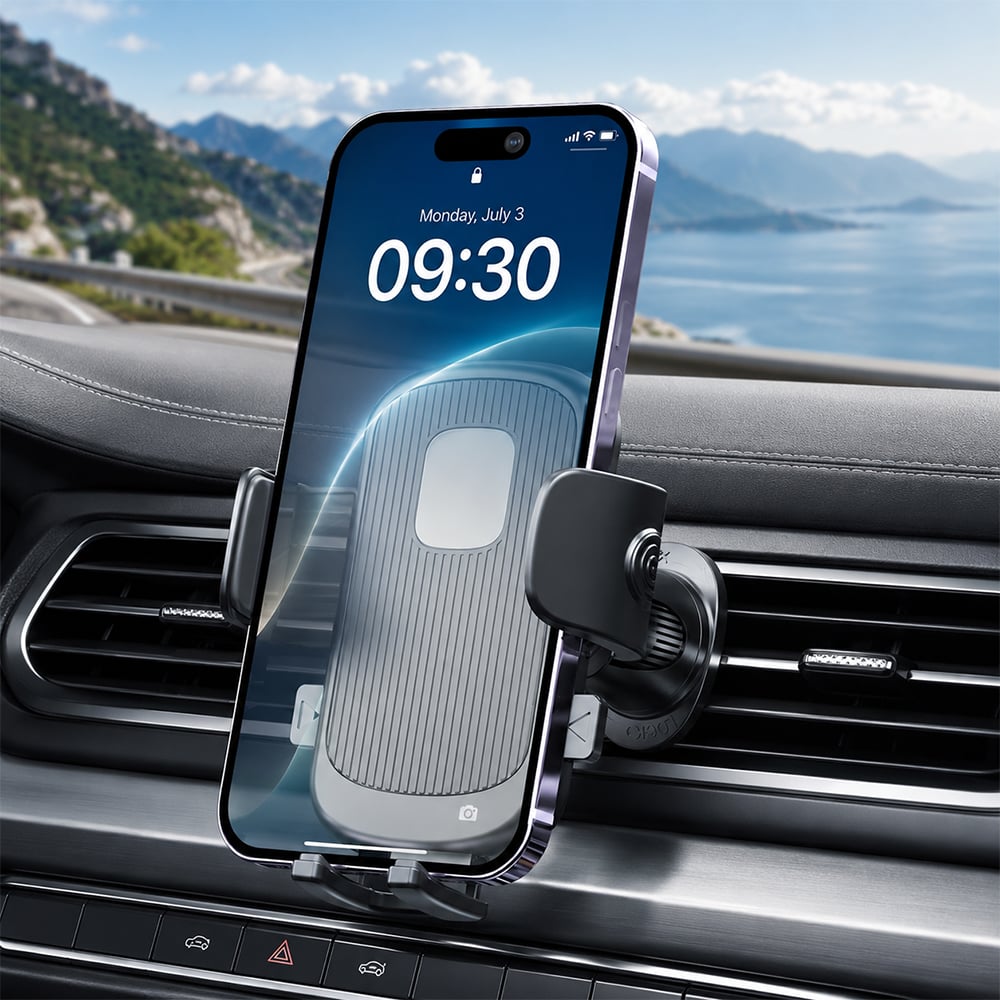
How do top car phone holder wholesale suppliers thrive amid shifting demand, tech shifts & supply chain volatility? Agile responses boost margins.
2026/08/17
Struggling to expand automotive accessories without bloating inventory? Car phone holder wholesale boosts margins, meets demand & simplifies supply chains.
2026/08/03
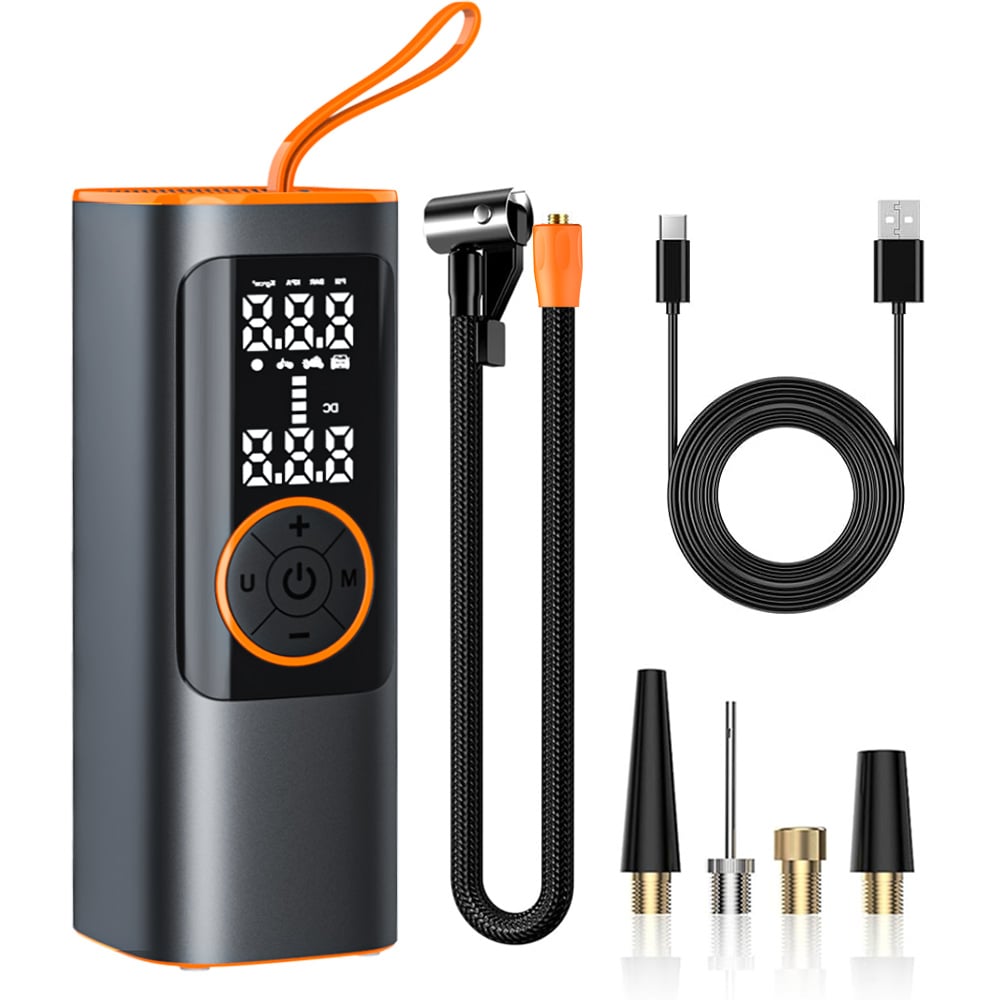
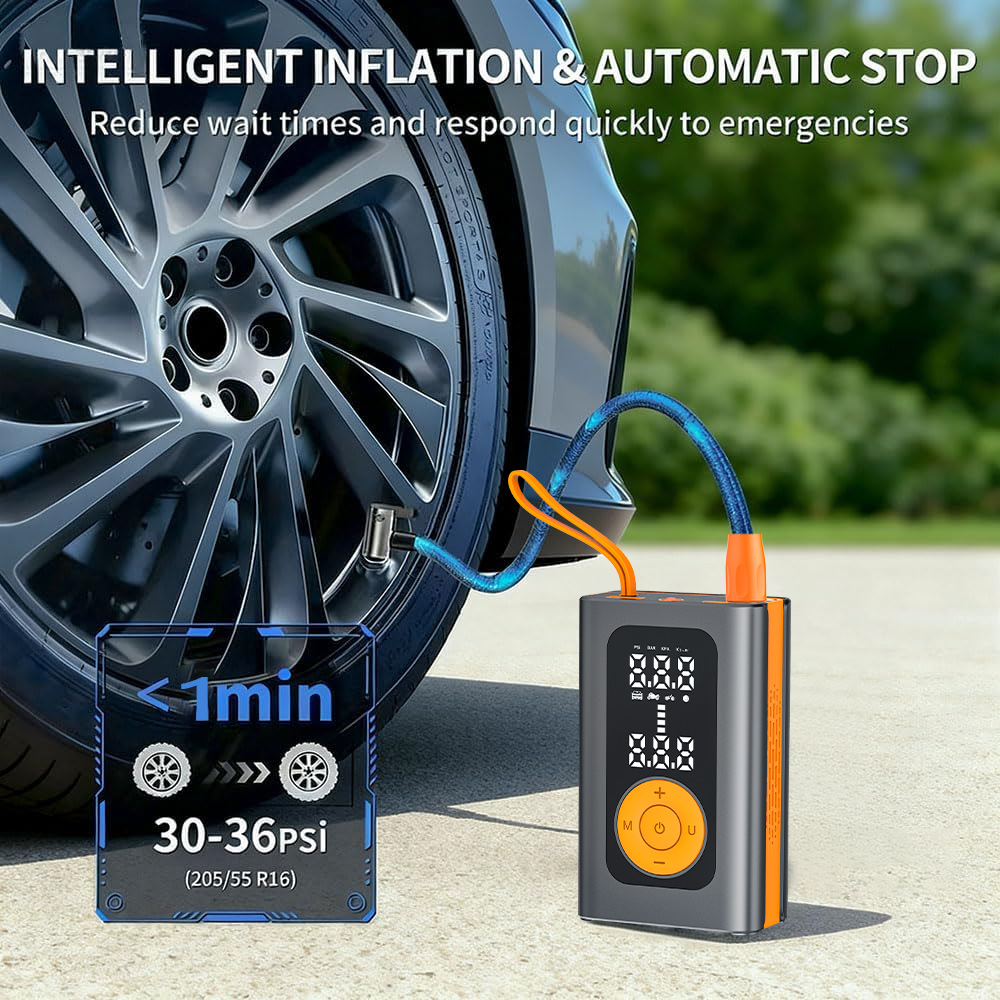
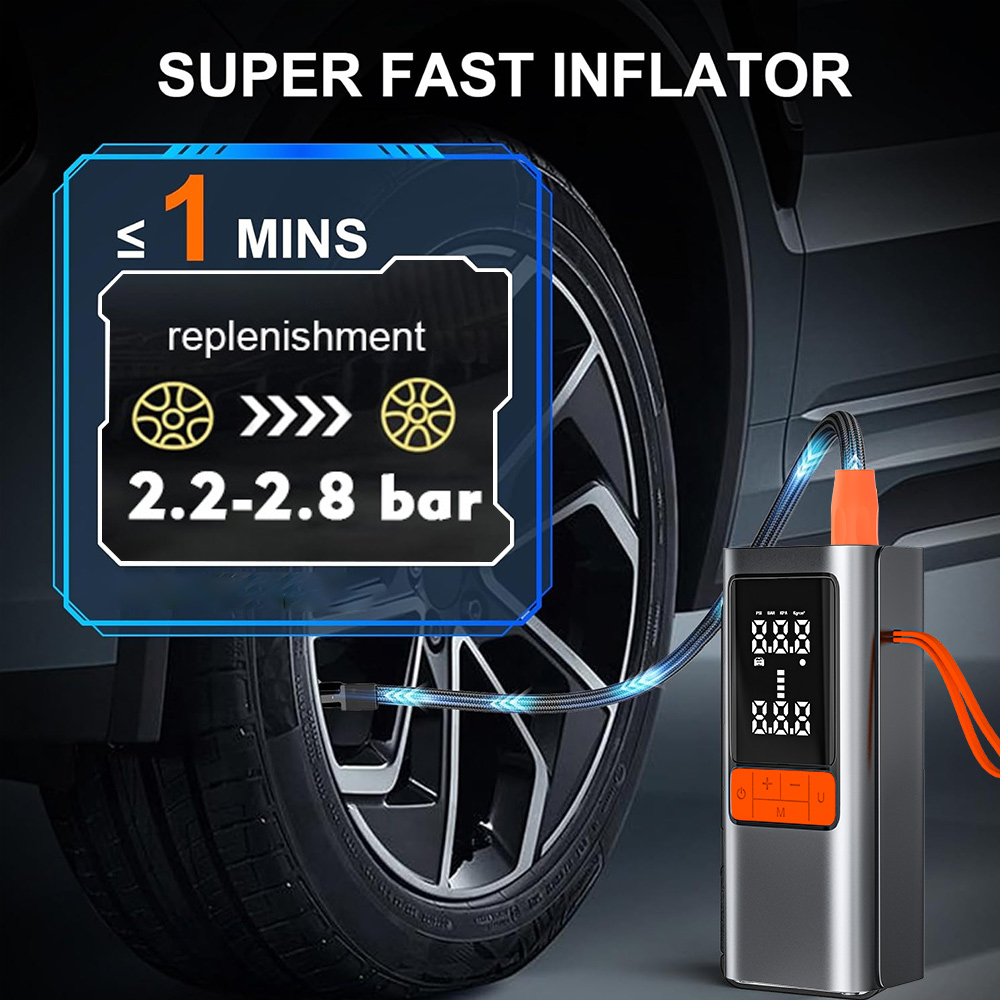
Bulk sourcing cordless tire inflators? Discover 7 key features—brushless motors to USB-C charging—that boost ROI, durability & uptime.
2026/08/04
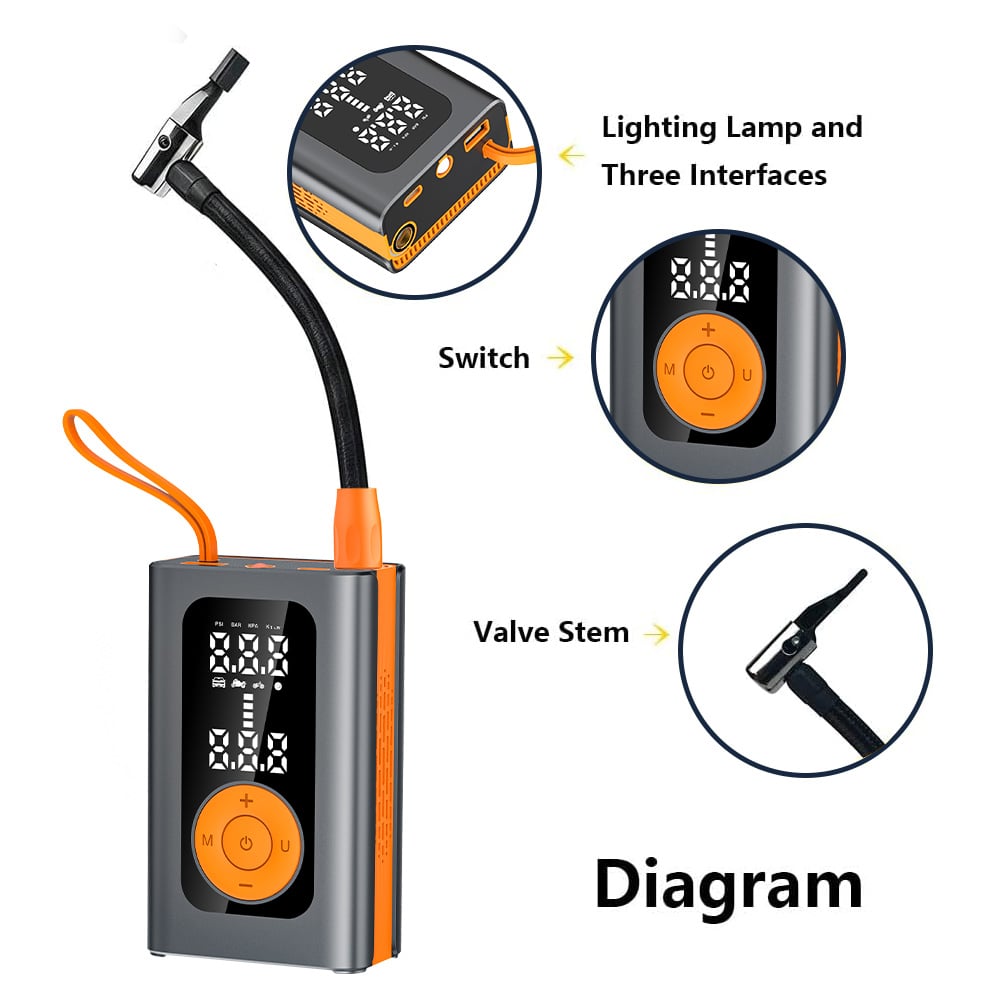
Struggling with product failures and warranty claims? Discover how top tire inflator suppliers boost reliability, cut costs, and win trust.
2026/08/05
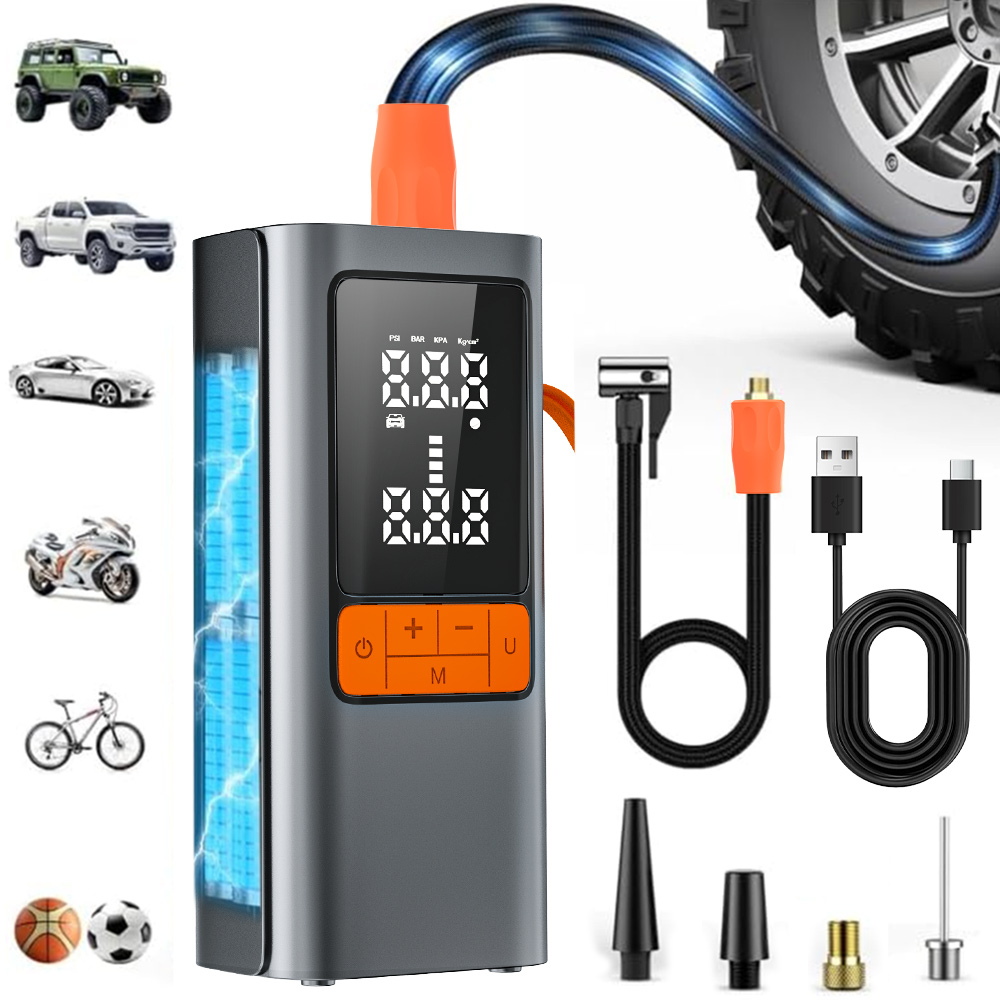
5 key drivers—quality demand, tech advances, safety needs, supply resilience & differentiation—push brands to reassess tire inflator suppliers now.
2026/08/06
What truly separates top tire inflator suppliers? Discover 7 capabilities—smart tech, aluminum build, 5-yr warranty—that define reliable suppliers.

24/7 expert support ensures quick solutions for your electronics needs

12-month warranty coverage for all purchased electronic accessories

Reliable spare parts supply to guarantee uninterrupted device operation

CE, FCC, RoHS, UKCA certified for global market compliance and safety